
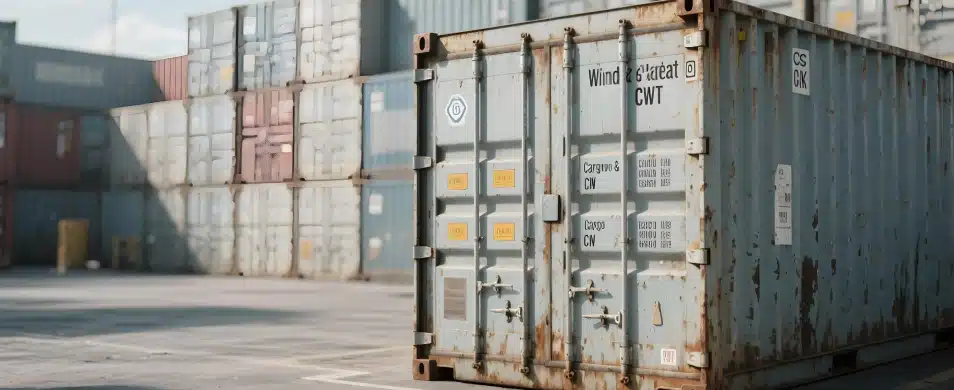
Wind & Watertight Containers vs. Cargo Worthy Containers


When you start your search for used shipping containers, you’ll likely come across two common condition grades: Wind and Watertight (WWT) and Cargo Worthy (CW). At first glance, these categories can look almost identical. Both options use steel containers that may show dents, rust, or scratches from years of service. However, the difference between them goes beyond appearance, involving certification, inspection standards, and how you plan to use your container.
Whether you’re buying for storage, shipping, or a custom project, understanding these two classifications can help you choose the right container for your business.
Understanding Container Grading
Before diving into each type, it’s important to understand that container grading helps buyers know what level of quality and usability they’re getting. Shipping containers are typically graded based on their structural integrity, weather resistance, and eligibility for overseas shipping.
Both WWT and CW containers are used, typically ranging from 10 to 15+ years old, but only one type can legally be loaded on a vessel for international transport. Next, we’ll break down what sets them apart.
What is a Cargo Worthy Container?
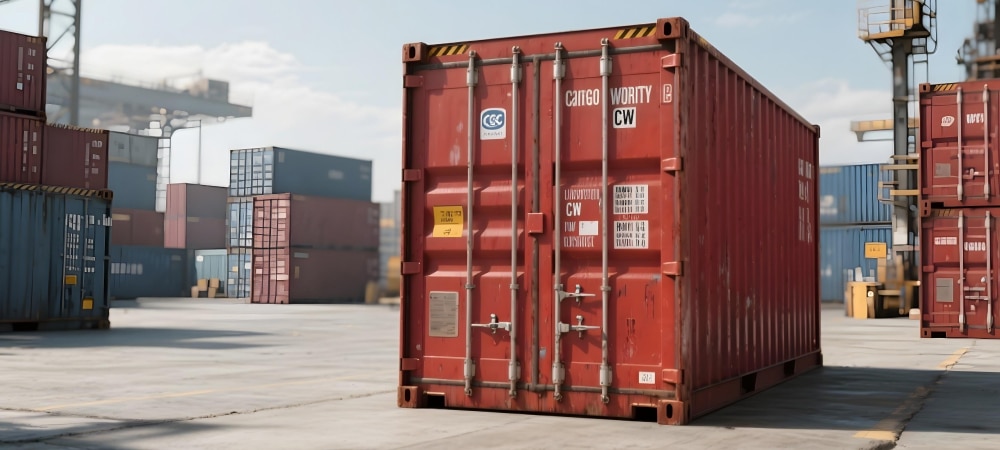
Cargo Worthy (CW) containers are units that have been inspected and certified for international shipping. These containers meet the standards outlined by the International Convention for Safe Containers (CSC), which ensures that the unit is structurally sound and safe for stacking, lifting, and transport.
To receive this certification, a marine surveyor or certified inspector evaluates the container’s condition and structural integrity. If it passes inspection, the owner is issued a CSC certificate, confirming that it meets the necessary safety and performance requirements.
Cargo-worthy containers are designed to handle the demands of overseas transport, including being stacked several units high on a cargo vessel. Because of this, they must maintain strict structural standards.
Key features of cargo-worthy containers include:
- Structurally sound and free from major damage that could affect stacking or transport.
- Doors, seals, and flooring in good working condition.
- No holes, leaks, or major corrosion.
- Eligible for export once certified by a licensed inspector.
While a cargo-worthy container may still show visible signs of use, like rust, dents, or fading, these units are built to perform under demanding conditions and maintain the strength required for international shipping.
What is a Wind and Watertight Container?
Wind and Watertight (WWT) containers, as the name implies, are guaranteed to keep the elements out. These used units don’t leak and have no holes or cracks that would allow air or water to enter. However, they do not meet CSC certification requirements, which means they cannot be used for overseas shipping.
Instead, WWT containers are ideal for on-site storage, construction, agriculture, and general commercial use where cargo certification isn’t necessary.
These containers may have undergone repairs or patchwork to maintain their weatherproof status. For example, a steel patch may have been welded over a rusted or damaged section to prevent water intrusion. While these cosmetic or surface repairs don’t affect their storage performance, they mean the unit no longer qualifies as cargo-worthy.
Key features of wind and watertight containers include:
- Guaranteed not to leak or have holes.
- Doors and seals function properly to keep moisture out.
- May show cosmetic wear such as rust, dents, or patching.
- Not eligible for overseas shipping.
- Typically less expensive than cargo-worthy containers, as they have not been re-certified for shipping or export purposes.
A WWT container provides the same durability and weather resistance as a cargo-worthy unit for most storage needs without the added certification costs.
The Main Differences at a Glance
| Feature | Wind & Watertight (WWT) | Cargo Worthy (CW) |
| Certified for Shipping | No | Yes |
| CSC Certification | Not required | Required |
| Typical Use | On-site storage, equipment, materials | International cargo transport |
| Inspection Process | Yard-inspected for leaks | Third-party inspected by surveyor |
| Price | Lower | Slightly higher due to certification |
| Age | 10–15+ years | 10–15+ years |
| Appearance | Rust, dents, possible patches | Rust, dents, generally fewer repairs |
| Leak Protection | Yes | Yes |
Which Container is Right for You?
Choosing between WWT and CW depends entirely on how you plan to use your container. Here’s a quick guide to help you decide:
Choose a cargo-worthy container if:
- You plan to ship goods internationally or domestically by sea.
- You require CSC certification for compliance with port authorities.
- You want the highest level of structural assurance for stacking or transport.
- You may later convert or modify the container for resale or further export.
Cargo-worthy containers are a smart investment for import/export businesses, logistics companies, and any operation that may need to move the container overseas in the future. They cost a bit more than WWT containers but offer added peace of mind with formal inspection and certification.
Choose a wind & watertight container if:
- You need a container for on-site storage, such as tools, materials, inventory, or equipment.
- You’re using it for agricultural, industrial, or construction applications.
- You want to save money without sacrificing weather protection.
- You have no plans to ship the container internationally.
For most businesses seeking secure, weatherproof storage, a WWT container is the perfect fit. It offers long-lasting performance, affordability, and protection against the elements without the extra cost of certification that your business may not need.
Cost Considerations
The difference in price between WWT and CW containers typically reflects the cost of inspection and certification. Cargo-worthy containers undergo additional testing and paperwork to meet CSC standards, making them slightly more expensive.
However, if your goal is simple, reliable storage, a WWT container offers better value. You’ll get the same corrosion-resistant steel construction and watertight protection, often at a few hundred dollars per unit.
Longevity and Maintenance
Both WWT and CW containers can last 10 to 15+ years or longer with proper care. Regular maintenance, such as treating rust, touching up paint, keeping the container level, and ensuring good drainage, will extend its lifespan significantly.
It’s also worth noting that since both types are made of the same high-quality corten steel, the difference in longevity mainly comes from how well they’re maintained, not from their certification status.
Buying Tips
Whether you choose WWT or CW, keep these tips in mind:
- Buy from a trusted supplier. Container Technology thoroughly inspects all units before sale.
- Ask for photos or inspect in person to ensure you’re satisfied with the condition.
- Confirm delivery requirements — we’ll make sure your site is accessible for safe drop-off.
- Consider your future plans. If there’s a chance you might ship internationally later, a cargo-worthy container may be worth the upgrade now.
Find the Right Container for Your Business
Both wind and watertight and cargo-worthy containers offer reliable, durable storage and transport options. The right option for you simply depends on your application. If you’re unsure which one is right for your needs, the team at Container Technology can help.
Since 1988, we’ve been Atlanta’s trusted source for high-quality new and used shipping containers for sale. Whether you need affordable on-site storage or certified cargo units for international shipment, we’ll help you find the right solution. Request a free quote online now or call us today at (866) 738-7451.