

What to Know Before Buying a Shipping Container: A Container Industry Expert’s Guide


Buying a shipping container requires more than simply picking out a piece of equipment. Between sizing, condition grades, delivery logistics, and customization options, customers have a lot more to consider in their decisions than a quick online search can reveal. For companies in Atlanta and across the metro area weighing container storage against other options, understanding these variables before you make this purchase decision can save both money and headaches down the line.
Drawing on decades of experience supplying containers to businesses across construction, retail, manufacturing, logistics, and other industries, this guide covers what prospective buyers need to know before making a purchase.
Ready to find the right shipping containers in Atlanta? Get a free quote from Container Technology today.
Start With the Right Size for Your Actual Needs
One of the most common mistakes first-time buyers make is sizing a container based on what feels like a safe bet rather than what the job actually requires. Shipping containers come in a handful of standardized lengths, and each has a practical use where they excel.
- 10-foot containers work well for businesses with limited space or modest storage needs. Think tool storage for a small crew or overflow inventory for a boutique retailer. They’re easier to place in tight urban lots or areas with restricted access.
- 20-foot containers are the most commonly purchased size, especially because they strike a workable balance between capacity and footprint. Businesses that need storage without committing to a large unit on-site tend to land here.
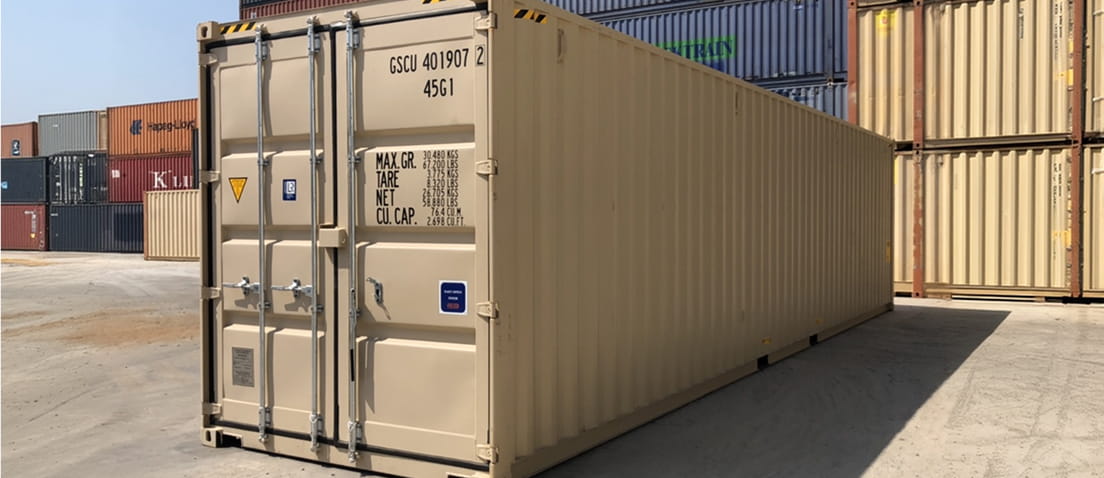
- 40-foot containers suit high-volume operations: distribution centers, bulk goods storage, or businesses stockpiling palletized inventory. If floor space is your priority and vertical clearance isn’t a major concern, this size usually makes the most sense.
- High cube containers add an extra foot of height compared to standard units, which matters more than people expect once you’re storing tall equipment, using shelving systems, or converting a container into a workspace. For businesses converting a unit into a mobile office or workshop, that additional headroom often becomes the deciding factor.
Before settling on a size, it helps to walk through what you’ll store inside the container, how often you’ll need access, and whether the unit needs to accommodate future growth. A container that’s slightly oversized today is usually a better bet than one you’ll outgrow within a year.
New vs. Used: Weighing Condition Against Cost
Condition is the next major variable, which has a direct effect on price. Used containers are generally the more affordable route and are often sufficient for basic storage. They may carry cosmetic wear like surface rust, dents, and scuffed paint, but structurally sound used units remain a reliable option for businesses that don’t need showroom-quality appearance.
New, or “one-trip,” containers have typically made a single voyage from the manufacturer, which means they arrive in near-pristine condition. They are more expensive, but the higher price buys a longer usable lifespan and a cleaner look, a feature that matters more for businesses using containers in customer-facing applications, like pop-up retail or branded mobile offices, than for a construction site storage unit.
The right choice for a business ultimately comes down to how visible the container will be, how long you plan to keep it, and how much of a priority appearance is relative to budget.
Understand What Drives Pricing Beyond the Sticker Number
Container pricing varies depending on multiple factors, and buyers who don’t account for that can be caught off guard. Steel prices, global shipping demand, and supply chain conditions all influence the cost of containers at any given time. When global trade activity is high, containers can become more expensive and harder to source. When supply increases, pricing tends to become more affordable.
Beyond market conditions, the base price of the container itself doesn’t necessarily give the full picture. Delivery is one of the more immediate additional costs as you transport the container from the yard to your site, especially if the location requires a tilt-bed truck or crane for placement. Site preparation is another factor to consider. While containers can sit on compacted ground in some cases, many businesses opt for a gravel pad or concrete foundation to improve stability and drainage over time.
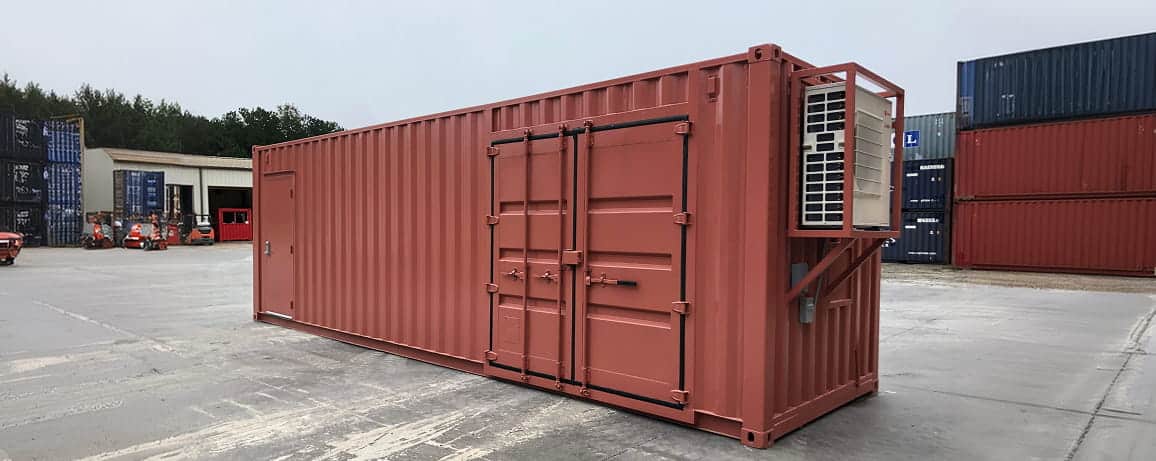
Modification costs also vary widely depending on what you’re adding. A unit with basic shelving costs far less to outfit than one receiving full insulation, HVAC, and electric lighting for use as a functional office space. Even with these additions factored in, containerized storage typically remains well below the cost of permanent construction, but buyers should still budget for the full picture rather than just the container price quoted upfront.
Know What Modifications Are Actually Available
A lot of first-time buyers assume containers are a standard fixed product with four steel walls and a set of doors. However, they often don’t realize how customizable they are. This matters because the “right” container for your business might not be a standard unit at all.
Common modifications include roll-up or additional entry doors for easier access, windows and skylights for natural light, and ventilation or climate control for temperature-sensitive contents. Businesses converting containers into offices or workspaces often add insulation, wiring, and lighting to make the unit genuinely usable for people, not just storage.
Security is another area worth considering during the buying process rather than after. Reinforced locking mechanisms, lockboxes, and heavy-duty padlocks are relatively low-cost additions that make a meaningful difference for businesses storing valuable equipment or inventory in less-supervised locations.
Knowing which modifications you’ll eventually want, even if you don’t need them on day one, can influence which container type and condition grade makes the most sense to start with.
Consider Placement, Permits, and Site Logistics
Where a container will sit matters just as much as the container itself. Businesses should think through site access before delivery day. It’s crucial to consider these questions ahead of your delivery:
- Can a delivery truck maneuver into the intended spot?
- Is the ground level and stable enough to prevent shifting over time?
- Will the container need to be relocated later as operations change?
Permit requirements vary by municipality and depend on how the container will be used and where it’s placed. Some jurisdictions treat a storage container differently than a converted office space or a unit intended for long-term placement. To avoid any hiccups with your storage solutions, checking with local zoning authorities early in the process is recommended. Taking care of this proactively, rather than after a container has already been delivered, can prevent permit issues that cause delays or added costs.
Placement strategy also affects how much value you get out of the container. Positioning units along a property’s perimeter, near loading docks, or in otherwise underused yard space allows businesses to add storage capacity without disrupting existing workflows or requiring layout changes.
Think About Long-Term Use, Not Only Immediate Need
Containers are a durable asset, as most last 20 years or more with basic maintenance, so it’s worth thinking beyond the immediate reason for the purchase. Ahead of your purchase, ask yourself questions to guide your decision:
- Will storage needs grow?
- Could the container eventually be repurposed into a different function, like an office or workshop?
- Is there a chance the unit will need to move to a different site down the road?
Because containers are transportable, businesses have more flexibility than they might expect if needs change. A container purchased for seasonal inventory storage today could become a job site office in a year, or get sold and replaced with a different size as operations scale. Buyers who think through this flexibility upfront tend to make purchasing decisions that hold up better over time, rather than needing to start the buying process over from scratch.
Compare Realistically Against Other Storage Options
For many businesses, the alternative to a shipping container is a permanent building expansion or a warehouse lease. Before you decide the right option for your business, thoroughly comparing your options can help you to make the most suitable decision.
Permanent construction requires a substantially higher upfront investment, along with costs like architectural design, permitting, and inspections that add both time and investment. Timelines stretch to months rather than days, and once built, the structure is fixed. Expanding further would mean repeating the entire costly process. In contrast, containers can typically be delivered and made ready for use within days, and they can be added, removed, or relocated as needs shift.
This doesn’t mean containers are the right fit for every situation. Businesses with stable, long-term storage needs and the resources for a significant capital investment, particularly those requiring fully integrated indoor environments, may still be better served by permanent construction. However, for businesses prioritizing speed, flexibility, and lower financial risk, a container purchase is often the more practical route.
Buy From a Supplier With a Track Record
Last but certainly not least, your container supplier can play as big a role as the container you purchase. Container quality, inspection standards, and delivery reliability vary between suppliers, and a lower quoted price isn’t worth much if it comes with delivery delays or a unit that doesn’t hold up structurally.
Look for a supplier with a long operating history, transparent pricing with no hidden fees, and the ability to handle modifications in-house rather than outsourcing them. A knowledgeable team that can walk through sizing, condition, and customization questions before you buy tends to save time and prevent costly missteps later.
Container Technology has supplied businesses across the Atlanta metro area with durable, reliable containers for more than 30 years, offering both new and used units along with a full range of modification services. Whether you’re sizing your first container purchase or expanding an existing fleet, our team can help you land on the right size, condition, and customization for your specific operation. Request a free quote online or call us at 866-307-3720 to get started.
Frequently Asked Questions
What’s the biggest mistake first-time container buyers make?
Sizing incorrectly is the most common issue; businesses often choose a container based on guesswork rather than an honest assessment of what needs to be stored and how much access they’ll need. Taking time to plan out contents, access frequency, and future growth before purchasing helps avoid needing to upgrade shortly after buying.
Should I buy new or used?
It depends on your business’s priorities. Used containers are more budget-friendly and work well for basic storage where cosmetic wear isn’t a concern. New or one-trip containers cost more but offer a longer lifespan and cleaner appearance, which matters more for customer-facing or long-term applications.
Do I need a permit to place a shipping container on my business’s property?
Permit requirements vary by municipality and depend on how the container will be used and how long it will stay in place. It’s best to check with local zoning authorities before delivery to avoid delays or compliance issues.
How long will a shipping container actually last?
With basic maintenance, such as addressing rust, checking door seals, and ensuring proper drainage at the placement site, most containers last 20 years or more. Their steel construction makes them resistant to pests, weather, and everyday wear, which is part of why they hold resale value well.