

What Sets a Good Shipping Container Supplier Apart? 8 Things Buyers Should Look For


Shipping containers have become a go-to storage and workspace solution for businesses across nearly every industry, from construction and manufacturing to retail and healthcare. As demand has grown, so has the number of companies selling and renting containers, which means buyers now have more choices than ever, along with more variables to sort through before making a decision.
Not every supplier operates the same way. Some companies maintain large, well-inspected inventories and offer full customization services, while others simply flip containers with little regard for condition or long-term support. Whether a business is investing in a container for on-site storage, a mobile office, or a specialized cold storage unit, the supplier behind that purchase makes a significant difference.
This guide breaks down eight factors that separate a dependable Atlanta shipping container supplier from the rest, giving buyers a reliable way to evaluate their options before committing to a purchase or rental.
Why the Supplier You Choose Actually Matters
A shipping container is a major investment, and the supplier you work with affects every facet of your purchase and container usage experience. The right partner can help you select the correct container type and size, ensure the unit arrives in the expected condition, and remain available if questions or issues come up after delivery.
On the other hand, the wrong supplier can leave buyers with containers that don’t match the listed specifications, delivery delays that don’t align with project timelines, or no support once the sale is complete. Because containers are often used for critical business functions such as protecting equipment, storing inventory, or housing a job site office, these issues can create real setbacks.
Knowing what to look for ahead of time helps buyers avoid these pitfalls and choose a supplier who will support their business beyond the delivery date.
1. Industry Experience and Longevity
How long a supplier has been in business says a lot about their reliability. Companies that have served commercial clients for decades have typically weathered fluctuations in the steel and shipping markets, refined their sourcing and inspection processes, and built relationships with the trucking and logistics partners needed for smooth delivery.
Newer or less established sellers aren’t automatically a poor choice, but a longer track record usually signals a deeper understanding of container quality, industry-specific applications, and the challenges businesses face when incorporating containers into their operations. When researching a supplier, look for information about their longevity, the industries they typically serve, and whether they specialize in commercial accounts or focus primarily on individual consumers.
2. A Wide Range of Containers
Businesses have different storage needs, and a high-quality supplier should offer more than a narrow set of options. Look for a company that carries 10-foot, 20-foot, and 40-foot standard containers, along with high-cube units for businesses that need extra vertical clearance.
A varied inventory suggests the supplier can accommodate a range of use cases, from compact document storage to large-scale equipment housing, without pushing customers toward whatever is available. It also often means shorter wait times, since suppliers with comprehensive inventories are less likely to be stuck sourcing a specific size or condition from a third party before they can fulfill an order.
3. Both New and Used Container Options
Every business has a different budget and set of priorities, so a good supplier should offer both new and used containers rather than steering every customer toward a single option. One-trip containers, which have only made a single journey from the factory, provide a clean, like-new appearance and the longest usable lifespan, making them a strong fit for businesses that want minimal wear or plan to keep a unit for many years.
When properly inspected regularly, used containers remain a reliable and more budget-friendly option for businesses that need functional storage without the higher price tag of a new unit. A supplier who offers both, while also being open about the condition and history of each container, gives buyers the flexibility to choose based on their actual needs rather than what’s simply easiest to sell.
4. Customization and Modification Capabilities
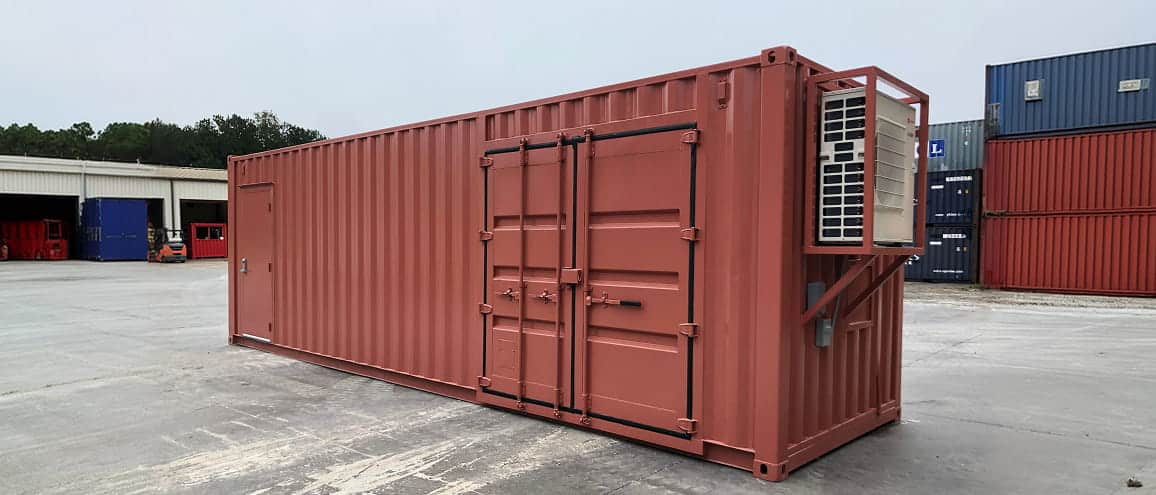
Many businesses need more than a basic steel box. A supplier with strong in-house modification capabilities can transform a standard container into a fully functional workspace or specialized storage unit. This might include adding electrical wiring and lighting, HVAC systems, insulation, shelving, windows, or roll-up and entry doors.
Suppliers who handle modifications in-house, rather than outsourcing the work to third parties, tend to offer more consistent quality control and faster turnaround times. This is especially valuable for businesses converting containers into mobile offices or specialized workspaces, as precision and attention to detail directly affect the usability of the finished unit.
5. Consistent Quality Control and Inspection Standards
Not all containers are created equal, even if they’re the same size and considered the same condition. A dependable supplier should have a clear inspection process for every unit that leaves their yard, checking for structural integrity, watertightness, floor condition, and door functionality before it ever reaches a customer.
Ask potential suppliers how they evaluate used containers and what standards a unit must meet before being sold or rented out. Companies that can speak clearly about their inspection process, rather than offering vague reassurances, are generally more trustworthy. This higher level of quality control protects buyers from ending up with a container that looks fine on paper but develops leaks, rust issues, or structural problems shortly after delivery.
6. Reliable Delivery and Logistics Support
One of the most notable advantages of shipping containers over permanent construction is speed, but that advantage only remains relevant if the supplier can actually deliver on time. Look for a company with its own delivery fleet or established logistics partnerships, since this typically translates to more predictable scheduling and fewer delays caused by third-party bottlenecks.
Site accessibility also plays a huge role. A knowledgeable supplier should be able to advise on placement logistics, including whether a tilt-bed truck or crane will be needed based on your property layout. They should also communicate clearly about delivery windows so your team can prepare the site in advance. Businesses working within tight project timelines, such as construction firms or retailers preparing for a seasonal inventory surge, especially benefit from a supplier with dependable logistics.
7. Transparent, Straightforward Pricing
Pricing transparency is one of the clearest indicators of a trustworthy supplier. Suppliers should always provide a clear breakdown of costs, including the base price of the container, delivery fees, and any charges associated with modifications or add-ons to buyers before they commit to a purchase.
Be cautious of suppliers who are vague about pricing or who tack on unexpected fees after the fact. A straightforward quote process that accounts for your specific container size, condition, and any modifications shows that a company values honesty over upselling. It also increases the ease of comparing suppliers accurately, since you’re working with real numbers rather than estimates that shift once the paperwork is signed.
8. Responsive Customer Service and Long-Term Support
A container purchase isn’t always the end of the working relationship. Questions can come up about placement, maintenance, or future modifications after delivery, and a good supplier should remain accessible when that happens. Pay attention to how a company communicates during the sales process. Are representatives knowledgeable about container specifications and applications? Do they take the time to understand your business needs, or are they simply trying to close a sale as quickly as possible?
Suppliers who invest in ongoing customer relationships, rather than treating every transaction as a one-time sale, tend to offer better support if problems arise. This is especially important for businesses that may need to order additional units in the future or that require temperature-controlled containers with more technical specifications and maintenance needs.
Find a Reliable Provider for Your Container Needs
Choosing a shipping container supplier is about more than finding the lowest price. Experience, inventory selection, modification capabilities, quality control, delivery reliability, pricing transparency, and customer support all play a role in determining whether a business ends up with a container that meets its needs for years to come or one that creates ongoing headaches.
Taking the time to evaluate suppliers against these eight factors helps buyers make a more informed decision and avoid the common pitfalls that come with working with an inexperienced or inconsistent seller. A company that checks these boxes can provide a long-term storage or workspace solution backed by expertise and accountability.
Container Technology has served businesses throughout the Atlanta metropolitan area since 1988, offering a wide selection of new and used containers, in-house customization services, and a team that understands the practical demands of commercial storage. Whether your business needs standard storage, a specialized cold storage unit, or a fully modified mobile office, our team is ready to help you find the right fit. Request a free quote online or call us today at 866-307-3720 to speak with our team.
Frequently Asked Questions
How do I know if a shipping container supplier is reputable?
Look at how long the company has been in business, whether they specialize in commercial container sales, and how transparent they are about pricing and container condition. Suppliers with established inspection processes and in-house modification capabilities are typically more reliable than sellers who simply resell units without oversight.
Should I choose a new or used shipping container?
It depends on your budget and how long you plan to use the container. New or one-trip containers offer the longest lifespan and a cleaner appearance, while used containers provide a more affordable option for businesses that don’t need a like-new unit. A good supplier should offer both and help you weigh the trade-offs based on your specific situation.
What questions should I ask a container supplier before buying?
Ask about inspection standards, delivery timelines, modification capabilities, and how pricing breaks down between the container, delivery, and any add-ons. It’s also worth asking how long they’ve served commercial clients and whether they can provide references for similar projects.
Do shipping container suppliers offer customization services?
Many do, but the scope varies widely. Suppliers with in-house modification teams can typically add features like insulation, HVAC, lighting, shelving, and additional doors, while others may outsource this work, which can add time and reduce quality control. If customization is important to your project, confirm this capability upfront.
Why do delivery logistics matter when choosing a supplier?
Delivery is often where container purchases hit unexpected delays. Suppliers with their own trucking fleet or established logistics partnerships tend to offer more predictable scheduling and can better advise on site accessibility, including whether specialized equipment like a tilt-bed truck or crane will be needed for placement.