
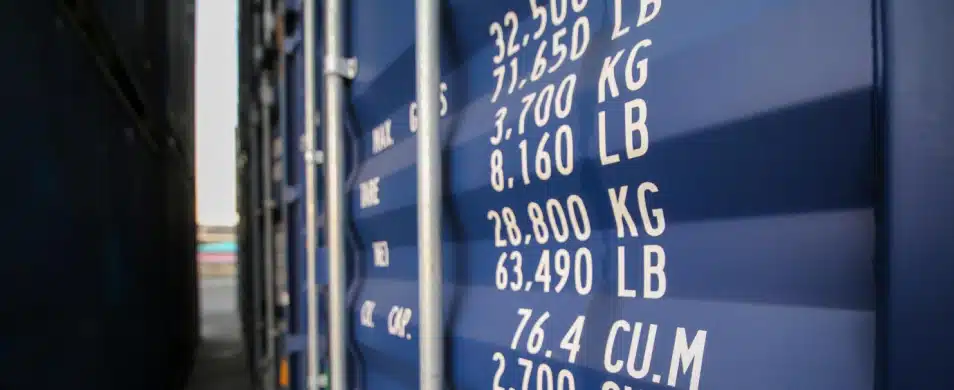
What Do Shipping Container Numbers and Markings Mean?


When you look at a shipping container, one of the first things you’ll notice is the collection of letters, numbers, and labels printed on its exterior. These markings might seem random, but they aren’t. Every code serves a specific purpose, ensuring the necessary parties can properly identify, track, transport, and inspect the container across the global shipping industry.
For businesses considering shipping containers for storage or freight applications, understanding these markings is essential. In this guide, we’ll break down exactly what each code means, why it matters, and how to interpret the various standards used on ISO-certified containers.
What is a Shipping Container Number?
A shipping container number, sometimes called a container identification number, is the unique sequence of letters and digits assigned to each unit. You can think of it as the container’s license plate. This number helps owners, operators, shipping lines, and regulatory agencies identify the container throughout its lifetime, from manufacture to international transport to storage.
Every shipping container number follows a standardized format governed by the Bureau International des Containers (BIC) under ISO 6346.
How is a Container Number Structured?
A standard shipping container number is made up of four distinct parts:
- Owner Code (3 letters)
- Equipment Category Identifier (1 letter)
- Serial Number (6 digits)
- Check Digit (1 digit)
When written together, this creates the 11-character code found on every container.
For example:
ABC U 123456 7
Each section conveys specific information about the container’s ownership, classification, and tracking details.
What Do the Letters and Numbers in a Container Code Mean?
Owner Code
The first three letters are the owner prefix, which identifies the company that owns or operates the container. These prefixes are registered with BIC to ensure each is globally unique.
Equipment Category Identifier
This is the fourth character in the code. It indicates the type of equipment:
- U: Freight container
- J: Attached or detachable container-related equipment
- Z: Trailers or chassis associated with the container
Nearly all storage and shipping containers include a U, since it designates the unit as a standard freight container.
Serial Number
The container owner selects a six-digit serial number for the container. This number helps differentiate one container from another, especially when a company owns thousands of units.
Check Digit
The final digit verifies that the entire code is accurate and valid. This helps prevent tracking errors as the container number is transmitted between ports, stations, and computer systems.
Where Can You Find the Container Number on the Unit?
Container numbers are designed to be easy to locate. You will typically find the number:
- On the top right door of the container
- On the sides of the container (often in large lettering for vessel visibility)
- On the CSC plate, which includes the owner’s number and serial details
- These markings must be displayed in a high-contrast color so they can be read clearly, even from a distance.
What is a Check Digit in a Container Number?
The check digit is a single number calculated using a specific mathematical formula outlined by ISO 6346. Its purpose is to confirm that the preceding owner code and serial number were transmitted or recorded correctly.
When a port terminal, tracking system, or shipping line enters the container number into its system, the check digit is used as a verification point. If the calculated result does not match the printed check digit, the entry is flagged as incorrect, preventing shipping errors.
What is the Meaning of the Owner Code on a Shipping Container?
The owner code is essential for identifying who owns or manages the container. Because shipping containers move between countries, companies, and carriers, the owner code acts as a global identifier.
Even if a container is transported by various shipping lines or leased out, the owner prefix remains consistent. This allows operators to track the container’s history, maintenance records, inspection deadlines, and location.

What Do the Size and Type Codes Indicate?
Below the container identification number, you’ll find the ISO size and type code. This is a four-character code providing details about the container’s dimensions and configuration.
Here’s how the code is structured:
- 1st character: Container length
- 2nd character: Width/height combination
- 3rd & 4th characters: Type of container
Some examples of ISO type codes include:
- G1: General-purpose container
- R1: Refrigerated container
- U1: Open-top container
- P1: Platform container
- T1: Tank container
These markings help carriers and logistics teams quickly identify whether a unit requires refrigeration, special handling, or unique loading equipment.
What is a CSC Plate on a Shipping Container?
All shipping containers used in international transportation must have a CSC plate. CSC stands for International Convention for Safe Containers, established in 1972 to ensure safe handling and structural integrity.
The CSC plate is a metal plate riveted to the left-hand door of the container. It includes vital information such as:
- The manufacturer’s name
- The date the container was built
- The manufacturer’s serial number
- The owner’s container number
- Maximum gross weight
- Approval reference and inspection details
The most recognizable marking on the plate is “CSC SAFETY APPROVAL.” This plate confirms the container meets global safety requirements and is suitable for overseas shipment.
Are Shipping Container Markings Regulated by Any Standards?
Yes. Most container markings are regulated under ISO 6346, the international standard for the coding, identification, and marking of freight containers.
Some markings also fall under:
- BIC (Bureau International des Containers) registry requirements for owner codes
- CSC regulations for structural and safety standards
- Customs and port authority guidelines in various countries
- IMDG Code for containers carrying hazardous materials
These regulations ensure consistency across the global shipping industry, allowing containers to move between ships, trains, and trucks without confusion.
Why are These Markings Important for Shipping and Logistics?
Container markings are essential elements of safe, efficient transportation. These identifiers:
- Ensure containers are tracked accurately across international routes
- Help logistics teams confirm container type, capacity, and handling requirements
- Support safety compliance by indicating maximum weights and structural limits
- Prevent misrouting or misidentification during loading and unloading
- Provide quick access to ownership and inspection data
- Streamline customs and port security checks
For businesses using containers for on-site storage, these markings also help identify unit size, type, and load ratings, ensuring safe placement and use.
Understand Your Container’s Markings With Confidence
Whether your business uses containers for on-site storage, inventory management, equipment protection, or overseas shipping, understanding a unit’s markings is a valuable skill. These standardized codes give you quick access to the container’s ownership, specifications, capabilities, and safety compliance.
If you’re looking for high-quality shipping containers in Atlanta, Container Technology has served as a trusted provider since 1988. We offer new and used containers in various sizes and conditions, along with custom modifications to meet your operational needs. Call us today to learn more or request a free quote to get started!