
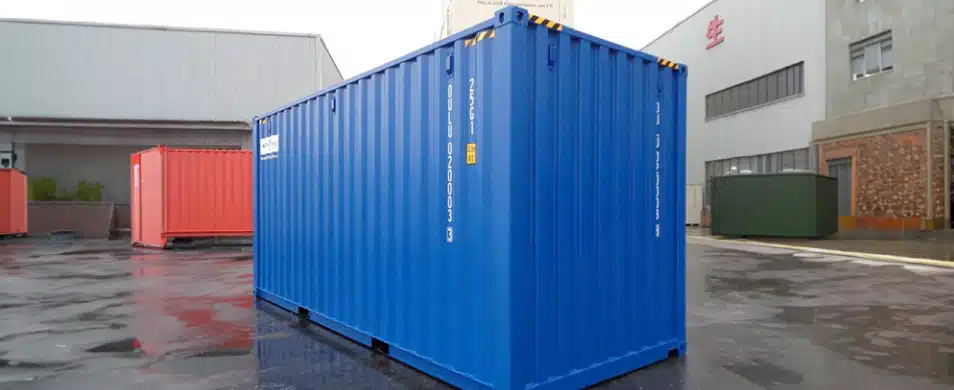
What are Intermodal Containers?


When it comes to global trade, efficiency and reliability are non-negotiable. One of the most important assets of modern logistics is the intermodal container. These standardized steel boxes make it possible for goods to move seamlessly across ships, trains, and trucks without the need to unload and reload cargo at each transition point. For businesses considering how to streamline shipping or storage operations, understanding intermodal containers provides valuable insights.
In this article, we’ll explore what intermodal containers are, how they’re used, their benefits, and why they’ve become essential in nearly every industry.
Defining Intermodal Containers
An intermodal container is a large, standardized shipping box designed for transporting goods across multiple modes of transportation—most commonly ships, trains, and trucks—without repacking the contents. Standardization is a critical aspect, as dimensions and structural features comply with international regulations, ensuring compatibility across transportation systems worldwide.
The most common intermodal containers are the 20-foot and 40-foot containers, often referred to as TEUs (Twenty-foot Equivalent Units) and FEUs (Forty-foot Equivalent Units) in shipping terminology. These units form the backbone of the global supply chain, allowing goods to move from a factory floor in one country to a retail shelf in another with minimal handling.
How Intermodal Containers Work
Intermodal transportation is all about efficiency. Here’s how the process typically works with these units:
- Loading at Origin: Goods are packed directly into a container at a warehouse, factory, or distribution center.
- First Mode of Transport: The sealed container is loaded onto a truck, train, or ship for the first leg of the journey.
- Transfers Between Modes: When the container arrives at a rail yard or port, it is transferred directly from one transport mode to another without unpacking.
- Final Delivery: The container reaches its final destination, where it’s unloaded only once: by the recipient.
This closed-loop system saves time, reduces labor costs, and protects cargo from unnecessary handling.
Types of Intermodal Containers
While the standard dry container is the most common, intermodal containers come in various types tailored to specific needs:
- Dry Standard Containers: The most widely used, designed for general cargo like packaged goods, electronics, and textiles.
- Refrigerated Containers (Reefers): Equipped with cooling systems to transport perishable goods such as food, chemicals, or pharmaceuticals.
- Open-Top Containers: Used for oversized cargo that cannot fit through standard container doors, such as heavy machinery.
- Flat Rack Containers: With collapsible sides, these are ideal for bulky or oddly shaped items like vehicles and construction materials.
- Tank Containers – Built to safely carry liquids, chemicals, and gases.
Each type ensures that businesses can find a suitable solution for virtually any cargo.
Key Benefits of Intermodal Containers
What are the main ways businesses benefit from using intermodal containers? Explore their top benefits below.
1. Versatility in Transport
The most significant advantage of intermodal containers is their ability to move seamlessly between trucks, trains, and ships. This multimodal flexibility reduces the need for manual labor and lowers the risk of cargo damage.
2. Cost Efficiency
Because containers can carry large volumes and reduce handling costs, intermodal transport is typically more economical than traditional methods. Businesses benefit from streamlined logistics and fewer disruptions.
3. Cargo Protection
Containers are made from durable steel, often weather-resistant, and secure against theft. Sealed containers minimize exposure to the elements, pests, and damage during handling.
4. Sustainability
Intermodal shipping is often more environmentally friendly. For instance, trains and ships can move large volumes of goods with lower carbon emissions per ton compared to trucks. Businesses looking to improve their sustainability efforts often turn to intermodal solutions to make an impact.
5. Global Standardization
The uniform dimensions and locking mechanisms of intermodal containers allow them to be used in virtually any country. Their universal nature makes international trade simpler and more predictable.

Common Uses of Intermodal Containers
Beyond shipping, intermodal containers have expanded into diverse applications:
- International Trade: The backbone of import and export logistics, handling everything from consumer electronics to raw materials.
- Domestic Freight: Companies use containers for regional or cross-country transport to streamline supply chains.
- Construction and Industrial Sites: Containers can double as mobile storage for tools, equipment, and supplies.
- Emergency Relief Efforts: During natural disasters, containers are used to quickly deliver food, water, and medical supplies.
- Storage Solutions: Many businesses repurpose containers for on-site storage of inventory, seasonal items, or surplus stock.
This adaptability makes intermodal containers valuable far beyond their role in shipping.
Considerations Before Investing in Intermodal Containers
While intermodal containers offer numerous advantages, businesses should evaluate a few factors before purchasing:
- Condition: Containers can be bought new or used. Used containers may show wear but are often more affordable while still providing the same benefits.
- Size Needs: Consider the volume of goods you plan to transport or store. 20-foot units are versatile, while 40-foot units offer maximum capacity.
- Special Features: Some cargo may require refrigeration, ventilation, or customized interiors.
- Regulations: For international shipping, containers must comply with ISO standards and may require certification such as CSC (Container Safety Convention) plates.
- Logistics Compatibility: Ensure the container fits seamlessly into your existing transport or storage infrastructure.
Taking these factors into account will help businesses maximize their investment.
The Role of Intermodal Containers in Global Trade
Intermodal containers have revolutionized logistics since their adoption in the mid-20th century. By standardizing the way goods are shipped worldwide, they have drastically reduced costs, accelerated delivery times, and opened new opportunities for global commerce.
Today, nearly 90% of world trade in non-bulk goods is carried by containers. From the clothes you wear to the electronics you use daily; they most likely arrive in an intermodal container. Their role in modern supply chains is impossible to ignore as a complete necessity.
Why Businesses Choose Intermodal Containers
For businesses seeking reliable, efficient, and scalable solutions for shipping or storage, intermodal containers offer unmatched benefits. They are versatile, durable, and designed to meet the demands of global trade. Whether your business is transporting goods across continents or looking for a secure storage option closer to home, intermodal containers provide a proven, cost-effective solution.
At Container Technology, we supply businesses in Atlanta and beyond with a wide selection of Atlanta intermodal containers for sale to meet diverse needs. If you’re considering investing in these containers, our team can help you choose the right option for your operations.
Request a free quote online or call us today to learn more about our versatile range of containers!