
Used vs. New Shipping Containers for Sale in Alpharetta: Cost, Durability & ROI


Businesses throughout North Fulton County are constantly looking for practical ways to increase storage capacity, secure valuable assets, and support growth without taking on unnecessary expenses. Whether you manage a construction company, manufacturing operation, retail business, logistics facility, or agricultural enterprise, getting the right shipping containers for sale in Alpharetta often becomes a necessity as operations expand.
For many organizations, shipping containers provide an ideal solution. They offer secure, weather-resistant storage that businesses can quickly deploy and rely on for decades. However, buyers often face the decision to invest in a new container or purchase a used one.
While both options provide significant advantages, the right choice depends on your budget, intended use, longevity needs, and expected return on investment. Understanding the differences between new and used containers can help you make a smarter purchasing decision and maximize the value of your investment.
In this guide, we’ll compare new and used shipping containers in terms of cost, durability, maintenance requirements, and long-term ROI so you can determine which option best fits your business needs.
Why Businesses Continue Investing in Shipping Containers
Before comparing new and used models, buyers should understand why shipping containers have become such a popular business asset.
Unlike traditional storage buildings, containers offer immediate functionality, as opposed to the long waits of traditional construction. These units arrive ready for use, require minimal site preparation, and can often be delivered and installed within days. Their versatility, portability, and durability make them one of the most cost-effective commercial storage solutions available today.
Businesses use shipping containers for:
- Equipment storage
- Inventory management
- Construction site storage
- Agricultural storage
- Manufacturing overflow
- Fleet and parts storage
- Mobile offices
- Document and records storage
- Seasonal inventory management
Understanding New Shipping Containers
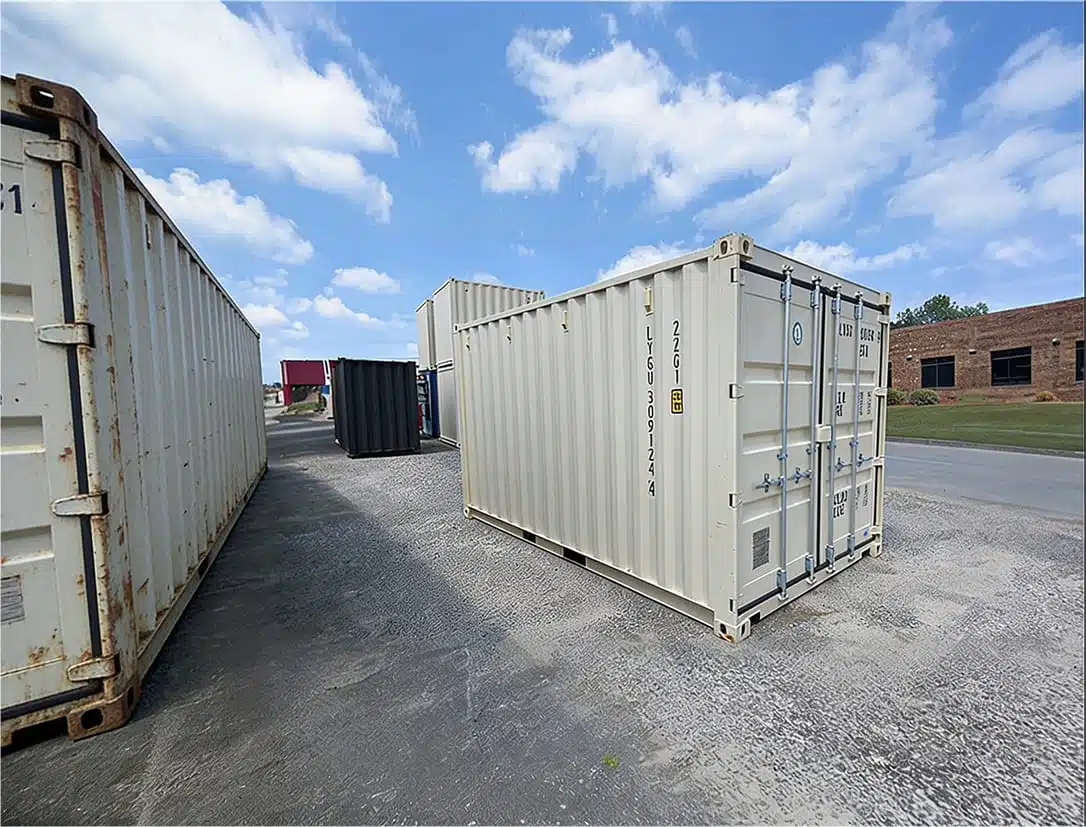
New shipping containers are often referred to as “one-trip” containers. Although these containers are technically not brand new, they have typically completed a single overseas shipment from the manufacturing facility before being sold. As a result, they arrive in excellent condition with minimal wear and tear.
Advantages of New Containers
Maximum Lifespan
One of the biggest benefits of purchasing a new container is longevity.
Because these units have experienced very limited use, businesses can often expect decades of reliable service with proper maintenance. For organizations seeking a long-term storage solution, the extended lifespan offers significant value to this asset.
Superior Appearance
New containers offer a clean, professional appearance that appeals to businesses using containers in visible locations. This makes them particularly attractive for customer-facing applications or properties where aesthetics matter.
These units typically feature:
- Minimal dents
- Little to no rust
- Fresh paint
- Excellent flooring condition
- Fully functional doors and seals
Reduced Maintenance Requirements
Since new containers start in excellent condition, businesses generally spend less on maintenance, especially in the first few years of maintenance.
New containers have a lesser likelihood of needing:
- Rust remediation
- Door adjustments
- Roof repairs
- Flooring replacement
- Seal replacement
This can help reduce operational costs over time.
Better for Specialized Modifications
Companies planning extensive modifications often prefer new containers because they provide a cleaner foundation for customization. Starting with a newer structure can simplify the modification process and improve long-term performance.
New containers can be modified into:
- Mobile offices
- Workshops
- Equipment rooms
- Retail spaces
- Security stations
Potential Drawbacks of New Containers
The primary drawback of a new container is the cost. Because new containers offer superior condition and longevity, they carry a higher upfront purchase price compared to used units. For some businesses, especially those that need basic storage, the additional investment may not be necessary.
Understanding Used Shipping Containers
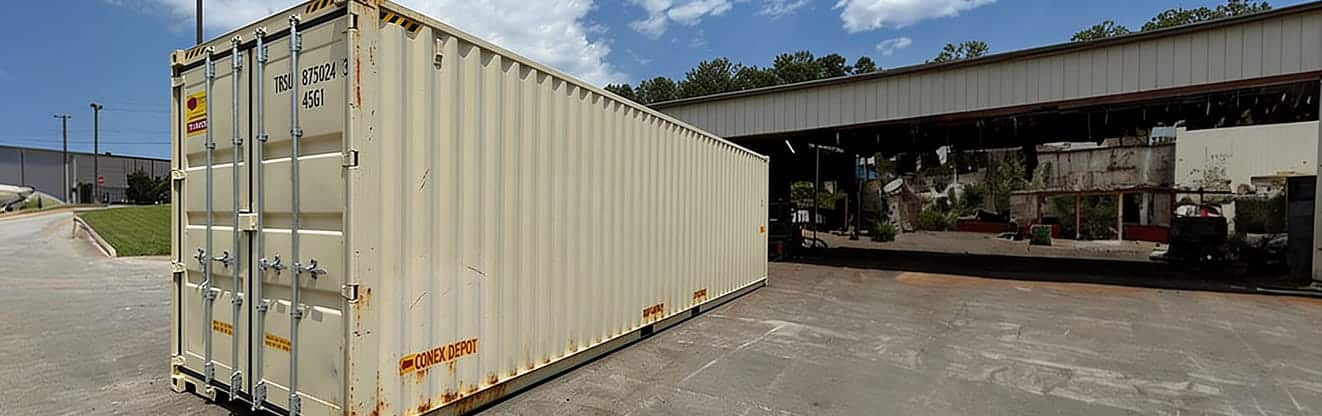
Used containers have spent years in active service transporting cargo around the world before being retired from international shipping fleets. While they show signs of wear, high-quality used containers remain highly functional and continue serving businesses effectively for many years.
Advantages of Used Containers
Lower Initial Investment
For many buyers, the biggest advantage of used containers is affordability. Businesses can typically acquire a durable storage solution at a significantly lower cost compared to purchasing a one-trip container.
This makes used containers especially attractive for:
- Budget-conscious businesses
- Startups
- Temporary projects
- Seasonal operations
- Large-scale storage deployments
Excellent Storage Performance
Despite cosmetic imperfections, used containers continue to provide outstanding security and protection. For businesses primarily concerned with functionality, cosmetic wear often has little impact on performance.
Most inspected used containers remain:
- Structurally sound
- Wind resistant
- Weather resistant
- Secure against unauthorized access
Faster ROI
Because the initial purchase price is lower, businesses frequently achieve a faster return on investment. For businesses with straightforward storage requirements, a used container may generate value almost immediately by eliminating warehouse rental expenses or reducing transportation costs.
Sustainable Choice
Purchasing a used container also supports sustainability efforts. Repurposing existing containers extends their useful life and reduces demand for newly manufactured steel products. This offers an added benefit for environmentally conscious businesses.
Potential Drawbacks of Used Containers
Used containers often show visible signs of age, including:
- Scratches
- Surface rust
- Dents
- Repaired areas
- Worn paint
While these issues are usually cosmetic, buyers should understand that used units generally require more maintenance over time. Depending on age and condition, some components may eventually need repair or replacement.
Comparing Cost: New vs. Used Shipping Containers
Cost is usually the first factor businesses evaluate when choosing between container types.
Initial Purchase Price
Used containers generally provide the lowest upfront investment. For companies focused on maximizing storage space while minimizing spending, used units often deliver exceptional value. New containers require a larger initial investment but offer benefits that may offset those costs over the long term.
Lifetime Ownership Costs
Purchase price alone doesn’t tell the full story.
Businesses should also consider:
- Maintenance expenses
- Repair costs
- Expected lifespan
- Resale value
New containers typically generate lower maintenance expenses during their early years. Used containers may require more frequent upkeep, although these costs are often minimal compared to the savings at purchase.
Cost Per Year of Service
One useful way to evaluate container value is by calculating the cost per year of expected service. A new container may cost more initially but remain operational for a longer period. Meanwhile, a used container may cost substantially less and still provide many years of dependable storage.
The right choice depends on how long you expect to use the container and how critical appearance and longevity are to your business.
Durability: Which Container Lasts Longer?
Shipping containers are built to withstand some of the harshest conditions in global transportation. Both new and used containers offer impressive durability, but noting their differences is important.
New Containers
New containers provide the longest potential service life. For businesses planning to use containers for decades, new units often offer the greatest peace of mind.
Their advantages include:
- Minimal corrosion
- Strong structural integrity
- Intact weather seals
- Excellent flooring condition
- Less exposure to environmental wear
Used Containers
Used containers remain remarkably durable despite years of service. When properly inspected and maintained, they can continue performing effectively for many additional years.
Many businesses successfully use used containers for:
- Tool storage
- Equipment storage
- Inventory management
- Agricultural applications
- Construction site operations
For these uses, the difference in durability may have little practical impact.
Evaluating Return on Investment
ROI ultimately determines whether a container purchase is worthwhile. The best option depends on your business goals, so evaluating your needs, goals, and budget is a must.
When New Containers Deliver Better ROI
A new container often provides superior ROI when:
- Long-term ownership is planned
- Appearance is important
- Extensive modifications are needed
- Maintenance costs must be minimized
- The container will serve a customer-facing function
Although the initial investment is higher, the longer lifespan and reduced upkeep can lead to stronger long-term value.
When Used Containers Deliver Better ROI
Used containers frequently provide better ROI when:
- Budget is the primary concern
- Storage needs are straightforward
- The container will be used behind the scenes
- Temporary or short-term projects are involved
- Multiple units are needed
The lower acquisition cost allows businesses to expand storage capacity quickly without making a large investment.
Industry Applications for New and Used Containers
Different industries often favor different container conditions, depending on their storage needs.
Construction Companies
Construction businesses frequently choose used containers, as appearance is less important than security and functionality in this industry.
These units are commonly used for:
- Tool storage
- Equipment storage
- Material staging
- Jobsite offices
Manufacturing Operations
The optimal choice for manufacturers typically depends heavily on the specific application. Used containers work well for overflow inventory, while new units are often preferred for customized workspaces or specialized storage.
Retail Businesses
Retailers often prefer newer containers, especially when their containers are visible to customers or used as part of operational infrastructure. With appearance as a priority, new containers can provide more suitable solutions.
Agriculture
The lower purchase price often makes used units the most practical choice for agricultural operations. These businesses commonly utilize used containers for:
- Feed storage
- Equipment storage
- Harvest storage
- Supply management
Logistics and Distribution
Distribution facilities may utilize both new and used containers, depending on whether they plan to use the units for transportation support, staging areas, or long-term inventory storage.
Questions to Ask Before Buying Alpharetta Storage Containers for Sale
Before selecting a new or used container, consider the following:
How long will I use the container?
Long-term ownership may justify the investment in a newer unit.
Is appearance important?
If customers, clients, or visitors will see the container regularly, a new container may be the better choice.
Will I modify the container?
When businesses need significant modifications, they often benefit from starting with a newer structure. This blank slate is easier and more cost-effective to work with.
How important is budget?
If cost control is the primary goal, a used container usually offers the strongest value.
What type of items will be stored?
High-value inventory or sensitive equipment may warrant investing in a newer container with maximum weather resistance and structural integrity.
Finding the Right Shipping Container for Your Business
Every business has different priorities. Some companies benefit most from the affordability and rapid ROI of a used container. Others prefer the longer lifespan, reduced maintenance, and cleaner appearance of a one-trip unit.
Fortunately, both options provide substantial advantages compared to renting warehouse space or building permanent storage infrastructure. With proper selection and maintenance, either choice can serve as a dependable business asset for many years.
At Container Technology, we help businesses throughout the Atlanta area find the right container solution for their needs, budget, and expected growth. Whether you’re considering a one-trip container or a carefully inspected used unit, our team can help you identify the best fit for your application.
Call us today or request a free quote online to explore our complete inventory of storage containers.
GET A FREE QUOTE NOW CALL US TODAY
Frequently Asked Questions About Shipping Containers for Sale in Alpharetta
What industries use storage containers the most?
Storage containers are commonly used across construction, manufacturing, logistics, retail, agriculture, government, education, and emergency response industries. Their durability, security, and flexibility make them valuable for storing equipment, inventory, tools, documents, and supplies in a wide variety of operational environments.
Can shipping containers be used on construction sites?
Yes. Construction companies frequently use shipping containers for secure on-site storage of tools, machinery, materials, and safety equipment. Businesses can also modify containers into temporary offices, break rooms, or project management spaces, making them highly useful on active job sites.
Are containers suitable for long-term commercial storage?
Absolutely. Shipping containers are designed for durability and can provide reliable long-term storage for decades when properly maintained. Their steel construction, weather resistance, and secure locking systems make them an excellent choice for protecting commercial inventory, equipment, and records.
How long do used shipping containers typically last?
A quality used shipping container can often remain in service for 10-20 years or more, depending on its condition and how well it is maintained. Routine inspections and minor maintenance can significantly extend its lifespan.
Are new containers worth the additional investment?
For many businesses, yes. New containers offer longer lifespans, lower maintenance requirements, and a cleaner appearance. Organizations planning long-term use or significant modifications often find that the higher upfront cost is justified by the long-term value they receive.