Ultimate Guide to Conex Containers: What You Need to Know


Conex containers, also known as shipping containers, have become a go-to solution for customers seeking secure and flexible storage solutions. These units were originally designed for transporting goods across oceans, but they have evolved into multipurpose solutions used across construction sites, warehouses, retail operations, agricultural facilities, and more.
If you’re considering purchasing a Conex container for your business, you can make an informed decision by understanding how they’re built, the types available, and how they can be customized. This guide breaks down everything you need to know before investing in a storage container.
What is a Conex Container?
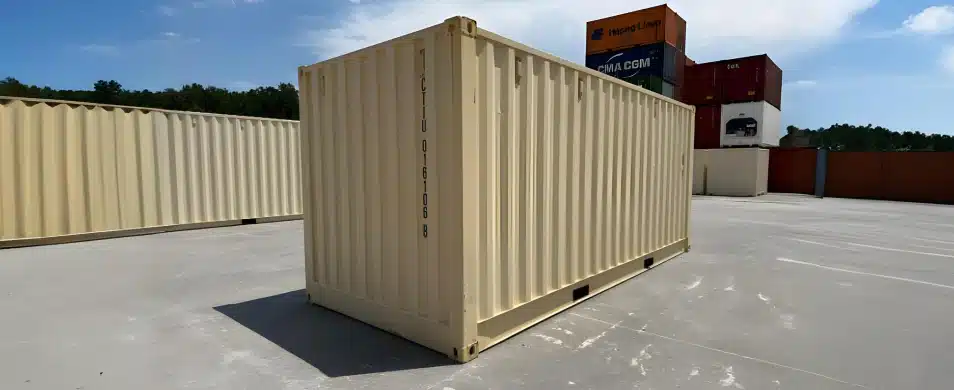
A Conex container is a heavy-duty steel storage unit originally manufactured for shipping purposes. These containers are built to withstand harsh weather, heavy loads, and constant handling, which makes them exceptionally durable for long-term, ground-level use.
For businesses, Conex containers offer a portable alternative to traditional storage buildings. They arrive ready to use, can be relocated as operations change, and provide a high level of security without the cost or permanence of new construction.
Common Sizes and Dimensions
Conex containers come in standardized sizes, making it easier to plan their placement and usage.
Standard container sizes include:
- 10ft containers: Compact storage for tight spaces or limited inventory
- 20ft containers: One of the most popular options for general storage
- 40ft containers: Ideal for large-scale storage or equipment housing
Most standard containers feature:
- An exterior height of 8’6” (approximately 7’10” of interior clearance)
- Marine-grade plywood flooring
- Double cargo doors on one end
- Corrugated steel walls for added strength
These dimensions make Conex containers compatible with forklifts, pallet jacks, and common loading equipment.
High Cube Containers: Extra Vertical Space
High cube containers provide an additional foot of headroom for businesses that want to expand their storage space. Standing at 9’6” tall, these containers are especially useful for oversized equipment, tall shelving systems, or businesses that need better airflow and interior comfort.
High cube containers are commonly available in:
The extra vertical space can make a significant difference when storing bulky items or converting containers into workspaces.
Open Side and Double-Door Containers
Beyond traditional Conex container designs, specialty configurations offer improved access and efficiency.
- Open side containers feature full-length bi-fold doors along one side. This design allows easy loading with forklifts and makes it simple to access items stored deep inside the unit. These are often used for equipment staging, temporary retail setups, or material distribution.
- Double-door containers, sometimes called tunnel containers, have cargo doors on both ends. This creates a layout that improves workflow, speeds up loading and unloading, and makes organization easier. Double-door units are available in both standard and high cube heights.
New vs. Used Containers
Businesses can choose between new (often called “one-trip”) and used containers, depending on budget and appearance preferences.
- New containers have made a single trip from the manufacturer and arrive in near-pristine condition. They’re ideal for businesses that value appearance or plan to modify the container.
- Used containers have been in active shipping service but remain structurally sound and weather-tight. These offer excellent value and are commonly used for industrial storage and job sites.
Both options are designed for durability and can last decades with proper maintenance.
Why Businesses Choose to Buy Conex Containers
Purchasing a Conex container offers several advantages over renting storage space or building permanent structures.
Key benefits include:
- Long-term durability: Heavy-duty, corrosion-resistant steel stands up to years of use
- High security: Reinforced walls and lockboxes protect valuable assets
- Portability: Containers can be relocated as business needs change
- Cost efficiency: One-time ownership avoids ongoing rental fees
- Versatility: Suitable for storage, offices, workshops, retail, and more
For many businesses, a container becomes a permanent asset that retains value over time.
Storage Container Modifications
The ease of customization is one of the biggest advantages of Conex containers. Modifications allow businesses to tailor containers to their exact operational needs.
Common upgrades include:
- Personnel doors, roll-up doors, or additional access points
- Windows, skylights, and interior partitions
- Flooring upgrades, such as steel overlays or vinyl
- Insulation and interior wall finishes
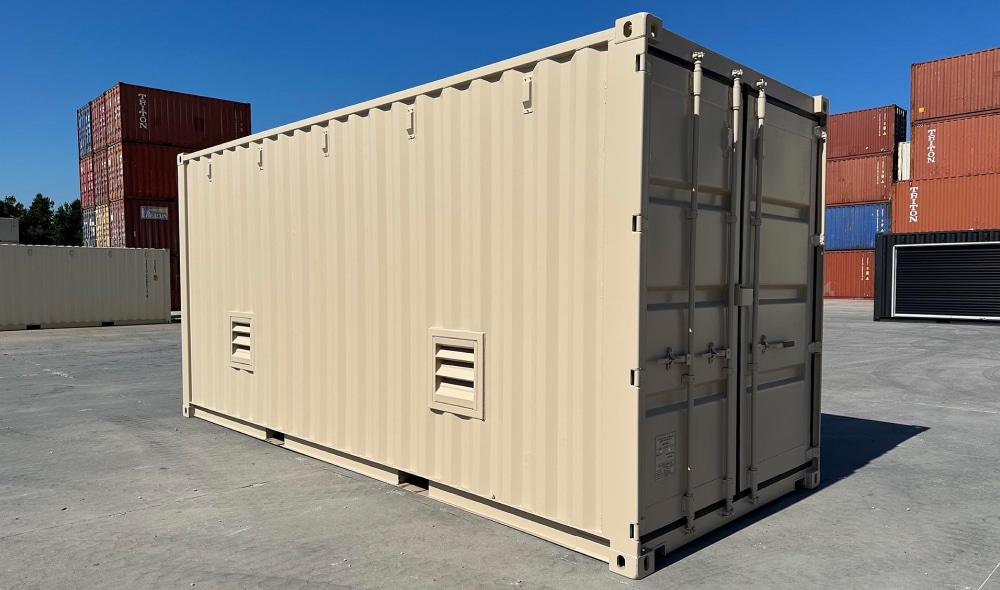
- HVAC systems, ventilation, and climate control
- Electrical wiring, lighting, and data connections
- Shelving, racking, and organization systems
- Custom paint and exterior branding
These modifications can transform a simple steel box into a fully functional workspace.
Industries That Use Conex Containers
Conex containers are used across a wide range of industries because of their adaptability.
- Construction: Secure on-site storage for tools and materials
- Retail: Seasonal inventory overflow and pop-up locations
- Agriculture: Storage for feed, equipment, and supplies
- Manufacturing: Parts storage, staging areas, and mobile workshops
- Events: Vendor booths, ticket offices, and equipment storage
- Education & Government: Temporary offices and supply storage
- Disaster Relief: Emergency response centers and mobile shelters
Their flexibility makes them valuable wherever space, security, and mobility matter.
Placement, Permits, and Delivery Considerations
Before purchasing a container, you should consider container placement and logistical aspects. Many containers can be set directly on level ground, gravel, or concrete blocks. For long-term or heavily modified units, a concrete pad may be recommended.
Permit requirements vary by location and intended use. While basic storage containers often don’t require permits, modified containers used as offices or occupied spaces may. Checking local zoning regulations ahead of time can prevent delays.
Additionally, preparing for delivery allows for a more seamless process. Be prepared to provide clear access and sufficient space for the delivery truck to maneuver, especially for 40ft containers.
Choosing the Right Conex Container Partner
Conex containers offer businesses a durable, secure, and highly adaptable storage solution that can grow alongside their operations. From standard storage units to customized workspaces, the right container can improve efficiency while controlling long-term costs.
When you’re ready to explore container options, Container Technology brings more than 30 years of experience, a wide inventory of new and used containers, and full modification capabilities. Our team helps businesses in Atlanta and beyond select the right container and customize it to fit their exact needs, making the buying process straightforward from start to finish.
Ready to find your ideal Conex container? Request a free quote online or call us today to learn more about our offerings!
Conex Containers | FAQs
1. How long do Conex containers typically last?
With proper care and minimal maintenance, Conex containers can last 20-25 years or more. Their Corten steel construction resists corrosion, pests, and weather damage, making them a dependable long-term storage solution for most business environments.
2. Are Conex containers weatherproof?
Yes, Conex containers are designed to be wind & watertight. Their sealed steel construction protects contents from rain, snow, and extreme temperatures, which is why these units are widely used in marine shipping and outdoor job sites.
3. Can Conex containers be relocated after installation?
Yes, portability is one of the main advantages of Conex containers. As long as you use proper lifting equipment, you can move your container to a new location if your business expands, relocates, or changes operational needs.
4. Do storage containers require maintenance?
Yes, but maintenance is minimal. Periodic inspections, repainting exposed steel, lubricating door hinges, and ensuring proper drainage around the container help extend its lifespan.
5. Can containers be used for temperature-sensitive storage?
Yes. With insulation, ventilation, or HVAC systems installed, you can adapt Conex containers for temperature-sensitive inventory, equipment, or workspace use. Climate-controlled modifications are common for electronics, documents, and specialty materials.