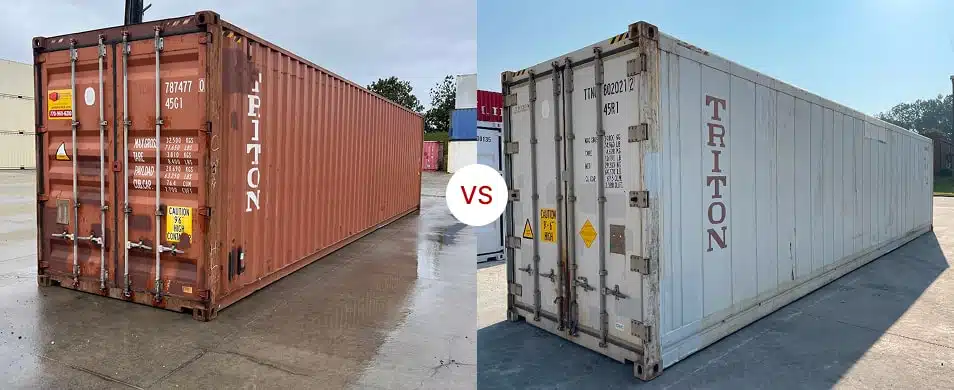
Standard Dry Containers vs. Reefer Containers: What’s the Difference?


When you evaluate storage or transportation solutions for your business, one of the first decisions you’ll face is whether to opt for a standard dry storage container or a reefer container. While both container types share the same durable steel construction and on-site convenience, they serve very different purposes and choosing the wrong one can lead to efficiency issues, product loss, or unnecessary costs.
Whether you’re storing equipment, transporting goods, or managing temperature-sensitive inventory, understanding the key differences between dry containers and reefer containers will help you make a confident, informed choice. Below, we break down how these two unit types compare in structure, capabilities, applications, and operational considerations.
What is a Standard Dry Container?
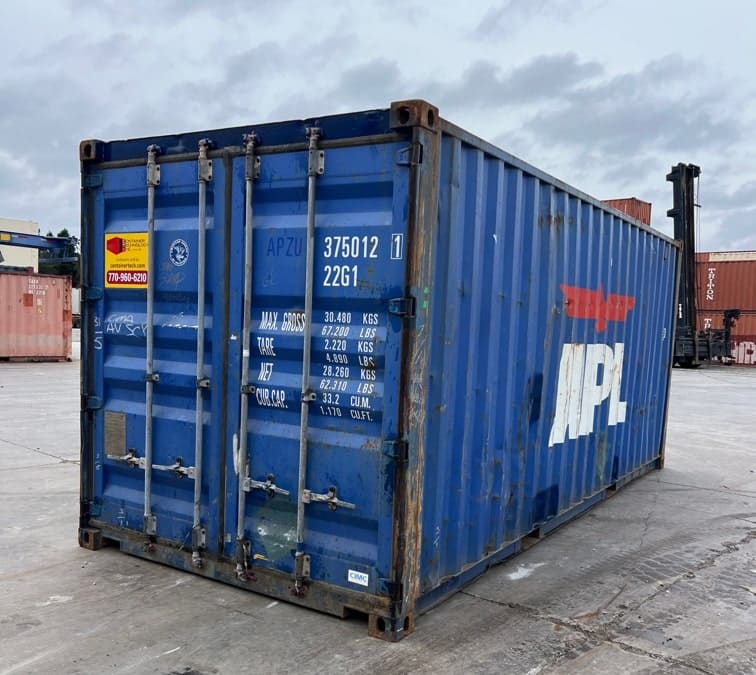
A standard dry container, often simply called a “dry van” or “shipping container,” is the most widely used type of storage container across commercial and industrial sectors. These containers are built from durable Corten steel. They feature secure double-swing doors, and are designed to protect stored items from weather, theft, and environmental exposure.
Most units come in lengths of 10ft, 20ft, and 40ft with a standard height of 8’6”. High cube options (are 9’6”H) are also available for those who need the extra foot of vertical space. Internally, dry containers include marine-grade plywood flooring and offer wide, open storage space suitable for a vast range of inventory and equipment.
Common Uses of Standard Dry Containers
Dry storage containers are ideal for storing or transporting non-perishable items that aren’t temperature sensitive. They’re commonly used for:
- Construction materials and tools
- Retail back-stock or seasonal inventory
- Equipment storage in industrial or manufacturing settings
- Agricultural supplies and machinery
- Archive storage or document warehousing
- Pop-up shops, workshops, and temporary office spaces
Because dry containers are so versatile and cost-effective, they are often the go-to solution for businesses in need of secure, durable on-site storage.
What is a Reefer Container?
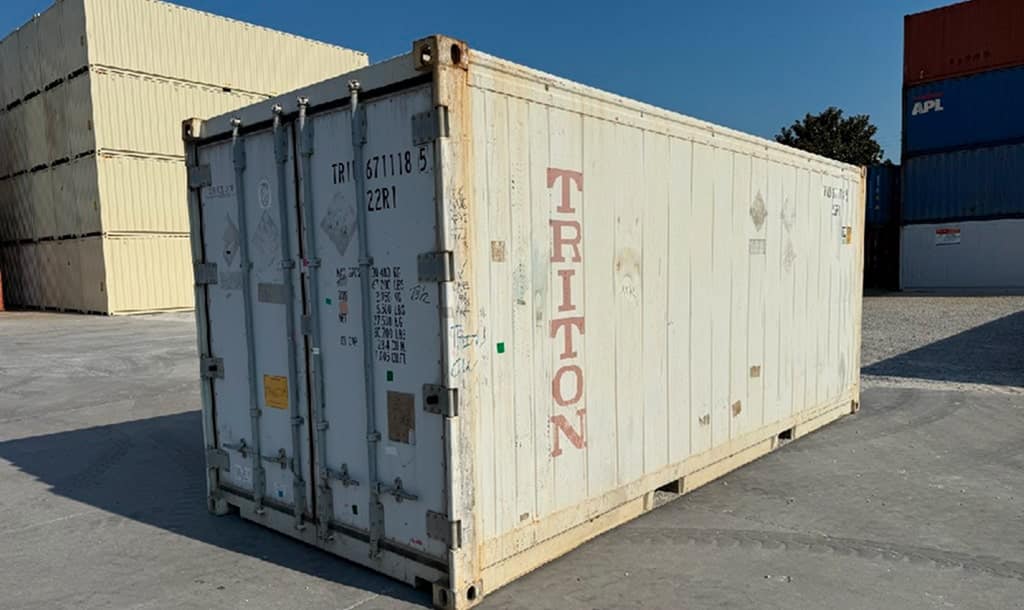
A reefer container—short for “refrigerated container”—is a temperature-controlled unit engineered to maintain a consistent internal climate regardless of outdoor conditions. Unlike standard containers, reefer units include integrated cooling and heating systems, heavy-grade insulation, and aluminum T-rail flooring designed to promote airflow around your stored goods.
Reefers typically maintain temperatures between -20°F and 85°F, depending on the model and power supply. They operate using 230V or 460V 3-phase electrical power and are available in both 20ft and 40ft configurations.
Common Uses of Reefer Containers
These units are essential for businesses that handle temperature-sensitive products, including:
- Frozen and chilled foods (dairy, seafood, meat, produce)
- Pharmaceuticals, vaccines, and biomedical products
- Floral inventory and nursery materials
- Specialty chemicals or adhesives
- Food processing and distribution storage
- Event catering and remote job site refrigeration
Because product integrity often depends on reliable temperature control, reefers are used across an expanding list of industries that require precise environmental regulation.
Key Differences Between Dry Containers and Reefers
Although both container types share a foundation of heavy-duty construction and long-term durability, their structural and functional differences are significant. Here’s how they compare:
1. Temperature Control
- Standard dry containers are built for general storage and have no heating or cooling capabilities. They protect your inventory from the elements but do not regulate internal temperatures.
- Reefer containers include cooling, heating, and ventilation systems designed to maintain a precise set temperature. This makes them essential for perishable or climate-sensitive items.
2. Insulation
- Dry containers are constructed with corrugated steel walls and plywood floors. They provide some natural insulation, but not enough for sensitive products.
- Reefer containers are insulated with high-grade foam that ensures thermal stability, reducing energy loss and maintaining consistent interior conditions.
3. Internal Flooring
- Dry containers feature marine-grade plywood floors that support heavy equipment and palletized goods.
- Reefer containers are equipped with aluminum T-rail floors (or flat floors in newer models) that promote airflow and facilitate forklift or pallet jack movement.
4. Structural and Electrical Requirements
- Dry containers require no power to operate, making them simple and flexible for any site.
- Reefer containers must connect to a power source (typically 230V or 460V 3-phase) to run cooling and heating systems.
5. Cost
- Dry containers are less expensive than reefers since they do not include refrigeration systems or insulation.
- Reefer containers have a higher upfront cost and ongoing energy costs due to their advanced climate-control technology.
6. Ideal Users
- Dry containers are perfect for companies needing secure, weatherproof storage or straightforward transportation.
- Reefer containers are best for industries that depend on temperature accuracy to protect product quality and regulatory compliance.

When Should Your Business Choose a Dry Container?
A standard dry container is typically the right solution if:
- Your materials do not require temperature control
- You need general-purpose storage for equipment, supplies, or inventory
- You want a cost-effective, low-maintenance storage option
- You require a unit that can be modified into an office, shop, or workspace
These containers are an excellent choice for businesses with changing storage needs because they can be delivered quickly, placed almost anywhere, and easily modified with shelving, ventilation, lighting, and more.
When Should Your Business Choose a Reefer Container?
A reefer container is the better choice if:
- Your products must be stored within a specific temperature range
- You operate in food service, floristry, pharmaceuticals, or cold-chain logistics
- You need temporary refrigerated storage during facility renovations or peak seasons
- You manage high-value or perishable inventory
- You require precision cooling and heating to maintain product integrity
Reefers are especially useful for businesses that need dependable year-round cold storage without investing in permanent construction or expensive refrigeration infrastructure.
Which Option is Best for Your Business?
The choice ultimately depends on your operational requirements. If your priority is secure, durable storage for dry goods or equipment, a standard dry container offers a reliable and cost-effective solution. If your business handles perishable or temperature-sensitive products, a reefer container is essential for maintaining quality, safety, and compliance.
In many cases, businesses use both container types: dry containers for equipment or materials and reefer containers for inventory that requires controlled storage.
Why Businesses Trust Container Technology
Since 1988, Container Technology has supplied businesses in Atlanta and beyond with high-quality storage and refrigeration solutions. With a full inventory of new and used dry and reefer containers, modification options, expert guidance, and nationwide delivery, we help companies find the units that best support their workflow, product requirements, and long-term goals.
Whether you need a durable dry container, a temperature-controlled reefer, or a fully customized solution, we’re here to help you make the right choice. Request a free quote online or call us today to learn more!
FAQ: Standard Dry Containers vs. Reefer Containers
1. What is the main difference between a dry container and a reefer container?
A dry container provides secure, weatherproof storage without temperature control, while a reefer container includes an integrated refrigeration and heating system that maintains a specific internal temperature. Reefers are designed for perishable or temperature-sensitive products.
2. Do reefer containers require electricity?
Yes. Reefers typically run on 230V or 460V 3-phase electrical power. Before ordering a reefer, you should confirm that your site has the correct electrical setup.
3. Can a dry container be converted into a refrigerated container?
Not effectively. While minor insulation or HVAC additions can regulate temperature for comfort (such as office conversions), only a true reefer container can maintain precise, consistent temperatures needed for food, pharmaceuticals, or other sensitive goods.
4. Which industries use standard dry containers the most?
Dry containers are used widely across construction, retail, manufacturing, agriculture, logistics, and events. They’re ideal for tools, equipment, non-perishable inventory, and general on-site storage.
5. What industries typically rely on reefer containers?
Reefer units are essential in food and beverage distribution, pharmaceutical storage, floristry, cold-chain logistics, catering, and any industry where product integrity relies on controlled temperatures.
6. Are reefer containers more expensive than dry containers?
Yes. Reefers cost more upfront and require ongoing electricity, but they offer precise temperature regulation essential for perishable inventory. Dry containers are more cost-effective for general storage.
7. Can reefer containers also heat, or do they only cool?
Reefers can both cool and heat. Most units operate within a range of -20°F to 85°F, making them suitable for frozen goods, chilled items, or inventory requiring warm temperatures.
8. Do both container types come in multiple sizes?
Yes, we offer a comprehensive range of sizes:
- Dry containers are commonly available in 10ft, 20ft, and 40ft sizes, with optional high cube heights.
- Reefers are typically available in 20ft and 40ft formats.
9. Can I modify a dry container or reefer container?
Absolutely. Many businesses add shelving, lighting, personnel doors, HVAC, partition walls, and more. Dry containers are especially popular for customization, while reefers offer modification options that maintain their temperature integrity.
10. How do I know which container is right for my business?
It depends on whether your products require temperature control. If you’re storing equipment, supplies, or general inventory, a dry container is typically sufficient. If your goods must stay within a specific temperature range, a reefer container is the right choice.