
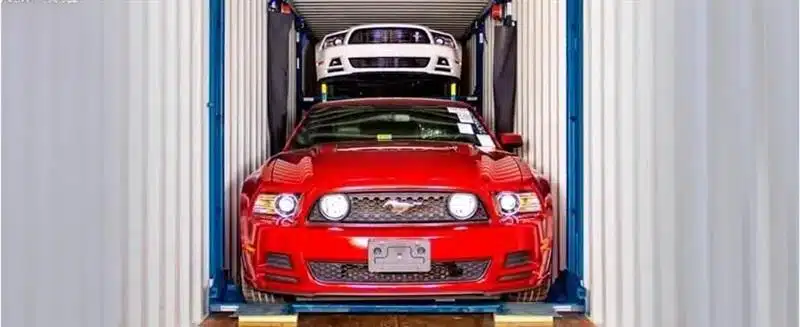
Shipping Container Garages: How to Store Your Car(s) Safely


When it comes to vehicle storage, commercial operations from construction companies to car dealerships need secure, adaptable, and cost-effective solutions. Traditional garages can take months to construct and cost tens of thousands in materials and labor. On the other hand, shipping container garages offer a sturdy, scalable, and weather-resistant alternative that can be used across industries.
Built from high strength Corten steel, shipping containers are designed to withstand years of exposure to the elements, heavy cargo, and harsh weather. When repurposed as vehicle storage units, they deliver the same reliability and durability you’d expect from permanent structures, but with even more flexibility.
In this article, we’ll explore how to safely store your cars in a shipping container garage, what considerations to make during planning, and how these structures can be tailored to meet a wide range of commercial storage needs.
Why Choose a Shipping Container Garage?
For many commercial users, vehicle storage needs to do more than keep cars clean and dry. It needs to protect valuable assets, tools, and equipment from theft, corrosion, and weather damage. Shipping container garages check all those boxes.
Key advantages include:
- Durability: Their Corten steel construction resists corrosion, rust, and impact damage.
- Security: Lockable, steel doors make unauthorized entry difficult.
- Mobility: Businesses can relocate containers as operations expand or shift.
- Customization: Interior and exterior modifications allow for tailored functionality.
- Cost Efficiency: Shipping container garages offer lower upfront costs and shorter construction times than traditional buildings.
- From fleet storage and service bays to temporary maintenance stations, container garages can serve both permanent and semi-permanent commercial needs.
1. Designing Your Shipping Container Garage
The first step is determining the layout and purpose of your container garage. The design depends largely on how many vehicles you need to store, how much workspace you want to include, and whether you’ll need additional storage or office space.
Common commercial layouts include:
- Dual-container design with a roof: Two containers are placed parallel to each other with a covered space between them. The roofed area serves as a carport or workspace, while the containers themselves can store tools, parts, or documents.
- Stacked containers: Some businesses use stacked configurations to maximize vertical space, especially when building on limited land.
- Standalone single container units: Perfect for small fleets, construction equipment, or temporary job sites.
- Multi-container garages: By connecting multiple containers side by side, businesses can create long, continuous storage bays for multiple vehicles or larger machinery.
If your operation grows, more containers can be added or reconfigured, which is a level of flexibility traditional structures can’t offer.
2. Choosing the Right Container Size
Shipping containers come in various sizes, but the most common for vehicle storage are 20-foot and 40-foot units.
| Container Size | Dimensions (L × W × H) | Interior Space | Typical Use |
|---|---|---|---|
| 20’ Standard | 20’ × 8’ × 8’6” | ~1,165 cu ft | Compact car or equipment storage |
| 40’ Standard | 40’ × 8’ × 8’6” | ~2,350 cu ft | Multiple vehicles or small fleets |
| 40’ High Cube | 40’ × 8’ × 9’6” | ~2,694 cu ft | Oversized vehicles or taller setups |
The high cube variant is often preferred for garages, as it allows more clearance for vehicle height, lifts, or overhead shelving.
When determining container size, it’s important to also consider:
- Access and maneuverability for vehicles
- Site space and ground stability
- Local zoning and building regulations, if applicable
3. Selecting Between New and Used Containers
Your budget and aesthetic priorities will guide whether you use new (“one trip”) or used shipping containers.
- New (One Trip) Containers: These have only been used once to transport goods internationally. They’re nearly pristine, with minimal wear and uniform coloring—ideal if appearance matters or you want to start modifications on a clean slate.
- Used Containers: More cost-effective and environmentally friendly, used containers show some cosmetic wear but remain structurally sound. For industrial or fleet applications, these are often a practical choice.
Container Technology inspects all units before modification, ensuring they meet structural and safety standards suitable for conversion into garages.
4. Customizing for Security, Safety, and Functionality
One of the most significant advantages of a shipping container garage is customization. With professional modifications, containers can be transformed into secure, comfortable, and fully functional storage spaces.
Popular modifications for vehicle storage include:
- Roll-up or personnel doors for easy access
- Lock boxes and reinforced locking mechanisms for added security
- Lighting and electrical packages for nighttime work and maintenance
- Insulation and climate control to protect vehicles from temperature extremes
- Ventilation systems or exhaust fans to ensure safe air circulation during maintenance
- Non-slip flooring or sealed epoxy coatings for durability and cleanliness
- Windows and skylights to bring in natural light
- Exterior paint or branding to match company colors or site requirements
These modifications can turn a simple container into a fully equipped storage and maintenance facility suitable for dealerships, fleet operators, and construction firms alike.
5. Site Preparation and Safety Considerations
Before installing your container garage, proper site preparation is a must. Containers should sit on a level, stable foundation such as a concrete pad, gravel bed, or pier system to prevent moisture buildup and uneven settling.
Additional safety and operational considerations:
- Drainage: Ensure water flows away from the structure to avoid rust and flooding.
- Accessibility: Leave adequate space for vehicle entry, turning, and parking.
- Security Systems: Consider installing motion lights, cameras, or alarms for added protection.
- Compliance: Always check local codes or permitting requirements for temporary or permanent installations.
A well-prepared site ensures your investment lasts for decades with minimal maintenance.
6. Applications for Commercial Use
Shipping container garages are used across numerous industries due to their strength and versatility.
Common commercial applications include:
- Construction: On-site vehicle storage and equipment protection
- Transportation & logistics: Fleet parking and maintenance bays
- Agriculture: Shelter for tractors, trucks, and farm machinery
- Auto dealerships & repair shops: Overflow vehicle storage or portable service bays
- Government & municipal use: Storage for maintenance fleets or emergency vehicles
- Event and trade industries: Temporary garage or staging areas for logistics vehicles
Their modular nature means they can be easily relocated or reconfigured as business needs change, a major advantage over fixed structures.
Building a Smarter Garage Solution
Shipping container garages combine the best of both worlds: industrial strength and design flexibility. For commercial users, they’re excellent strategic assets that can grow with your operations. Whether you need a secure single-car garage or a multi-bay maintenance hub, containers offer a scalable and sustainable alternative to traditional construction.
If you’re considering a shipping container garage for your business, Container Technology can help you source, modify, and configure containers built to your exact specifications. With decades of experience in container design and customization, we make it easy to create a storage solution that’s durable, secure, and tailored to your operation. Request a free quote online or call us today to learn more!