Refrigerated Container Uses for Catering Businesses


The catering business is fast-paced, and this high-stakes environment means food quality, safety, and timing are critical. Whether they’re working on weddings, corporate events, festivals, pop-ups, or anything in between, caterers need to manage perishable ingredients and prepared foods across multiple locations and timelines. Maintaining consistent temperature control is a necessity for meeting health regulations and protecting your business’s reputation.
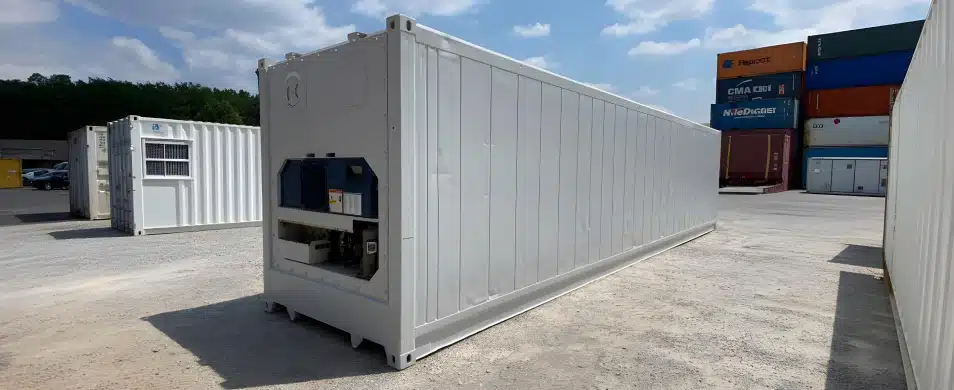
Refrigerated containers, commonly referred to as reefer containers, have become an increasingly popular solution for catering businesses seeking to expand storage capacity, enhance logistics, and maintain flexibility. These temperature-controlled units provide reliable cold storage on-site or off-site, helping caterers manage their businesses’ fluctuating demand and complex event schedules with confidence.
Why Catering Businesses Need Reliable Cold Storage
Unlike restaurants with fixed kitchens and walk-in coolers, catering companies often operate across changing venues and temporary locations. They may source ingredients in advance, prepare meals in batches, and hold finished products before transport or service. Without adequate refrigeration, food safety risks increase, waste becomes more likely, and operations can quickly fall behind schedule.
Refrigerated containers allow caterers to scale their cold storage capacity without the significant investment of permanent construction projects. Businesses can place their containers at commissary kitchens, warehouses, event venues, or outdoor sites, providing a controlled environment that supports both short-term events and long-term operations.
What is a Refrigerated Container?
A reefer container is a temperature-controlled shipping container designed to maintain consistent internal conditions to refrigerate or freeze goods. These containers are equipped with integrated cooling and heating systems and can typically sustain temperatures ranging from -20°F to 85°F, depending on their configuration.
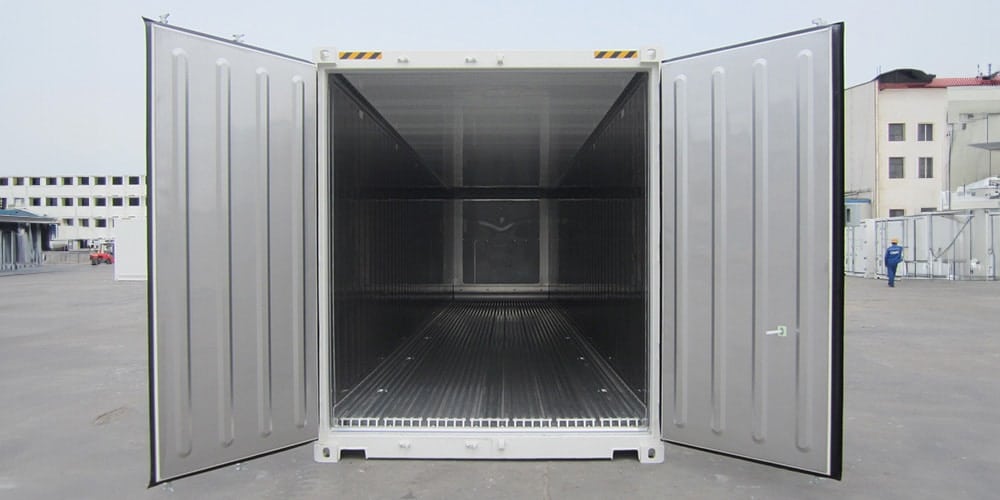
Built with durable steel or aluminum exteriors and high-grade insulation, reefer containers are designed for reliability. Features such as aluminum T-rail flooring promote even airflow and make it easier to move goods with pallet jacks or forklifts. Most units operate on 230V or 460V 3-phase power, making them suitable for commercial and industrial environments.
For catering businesses, this combination of durability, temperature precision, and mobility makes reefer containers a highly adaptable cold storage solution.
Common Catering Uses for Refrigerated Containers
Ingredient Storage and Bulk Purchasing
Catering businesses often purchase ingredients in bulk to reduce costs and ensure availability during peak seasons. Reefer containers provide ample space to store meats, seafood, dairy, produce, and frozen items at safe temperatures. This allows caterers to buy ahead of time without worrying about limited refrigeration capacity.
Prepared Food Holding
Large events may require food to be prepared hours or even days before service. Refrigerated containers allow caterers to safely store prepped dishes, sauces, desserts, and hors d’oeuvres until they are ready to be transported or plated. Consistent temperature control helps preserve flavor, texture, and food safety.
On-Site Event Refrigeration
Outdoor weddings, festivals, corporate retreats, and remote venues often lack adequate refrigeration. A reefer container placed on-site provides a dependable cold storage solution throughout the event. This ensures that ingredients and finished dishes are stored at safe temperatures, even during long service windows or hot weather.
Seasonal and Peak Demand Support
Many catering businesses experience seasonal spikes during holidays, wedding seasons, and corporate event cycles. Reefer containers offer a way to temporarily increase cold storage capacity without committing to permanent infrastructure. This flexibility helps businesses handle higher volumes efficiently without disrupting normal operations.
Menu Expansion and Special Requirements
Caterers often offer specialized menus, such as seafood-focused events, ice cream stations, or multi-course plated meals, and these selections require additional refrigeration. Reefer containers allow businesses to expand offerings without overloading existing kitchen equipment.
Choosing the Right Reefer Size for Catering Operations
Selecting the appropriate reefer container size depends on the scale of your operation, event frequency, and storage needs.
20-Foot Refrigerated Containers
The 20-foot reefer container is a popular choice for catering businesses due to its balance of capacity and footprint. With approximately 1,010 cubic feet of internal volume, it provides ample space for palletized ingredients or prepared food while remaining easy to place at most sites.
For caterers, this size works well for:
- Central kitchen ingredient storage
- Temporary refrigeration during busy seasons
- On-site cold storage for medium-sized events
- Backup refrigeration during equipment maintenance
Its manageable size makes it especially suitable for urban locations or venues with limited space.
40-Foot Refrigerated Containers
Larger catering operations or companies servicing multiple large events simultaneously may benefit from a 40-foot reefer container. Offering roughly 2,380 cubic feet of internal volume, this option supports high-volume storage and efficient organization.
Common catering-related uses include:
- Holding food for large weddings, conventions, or festivals
- Supporting multi-day or multi-location events
- Centralized cold storage for regional catering operations
Reinforced flooring allows for forklift and pallet jack use, making it easier to manage large quantities of food safely and efficiently.
Food Safety and Compliance Benefits
Food safety is a top priority in catering, where improper temperature control can quickly lead to spoilage or regulatory issues. Refrigerated containers help businesses maintain compliance with local and federal food safety guidelines by providing consistent, monitorable temperature control.
By separating raw ingredients from prepared foods and maintaining stable storage conditions, caterers can reduce cross-contamination risks and maintain higher quality standards across events.
Operational Flexibility and Mobility
One of the strongest advantages of reefer containers for catering businesses is flexibility. These units can be delivered pre-cooled and placed where they are needed most, whether it’s at a warehouse, event site, or temporary kitchen. For businesses that operate across multiple locations, this mobility supports efficient logistics and smoother event execution.
Investing in Reliable Cold Storage for Catering Success
For catering businesses, refrigerated containers offer a practical, scalable solution to the challenges of food storage, safety, and logistics. Whether supporting bulk ingredient purchasing, on-site event refrigeration, or seasonal demand, reefer containers provide dependable temperature control and operational flexibility.
Container Technology offers a range of refrigerated containers for sale in Atlanta designed to meet the unique needs of food service professionals. With multiple sizes, configurations, and modification options available, catering businesses can find a cold storage solution that supports growth, efficiency, and consistent quality. Ready to find your perfect container? Request a free quote online or call us today to learn more about our selection!