Reefers vs. Traditional Cold Storage: Which is Right for Your Business?


Choosing the right cold storage solution is a critical operational decision for businesses that require temperature-controlled environments. From food distributors and pharmaceutical companies to agriculture, hospitality, and manufacturing, maintaining consistent temperatures maintains product quality, ensures regulatory compliance, and reduces expensive spoilage.
Two of the most common options are refrigerated shipping containers (reefers) and traditional permanent cold storage facilities. While both serve the same core purpose, they differ significantly in cost, flexibility, installation, and long-term use. This guide breaks down the key differences to help you determine which solution best fits your business needs.
Understanding the Basics
What is a Reefer Container?
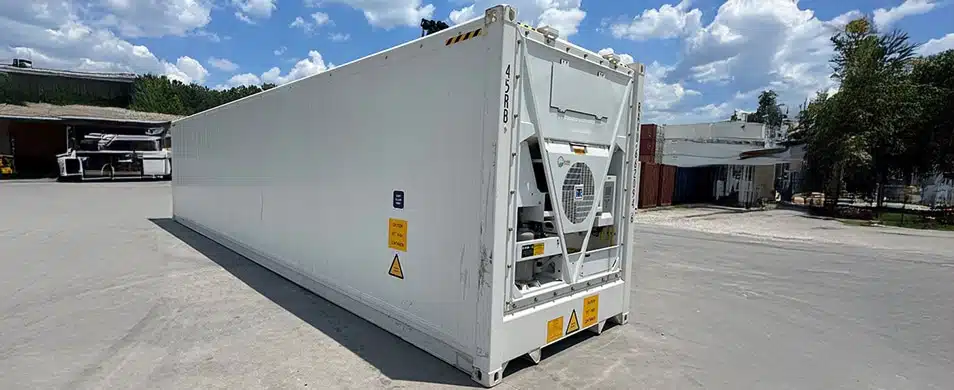
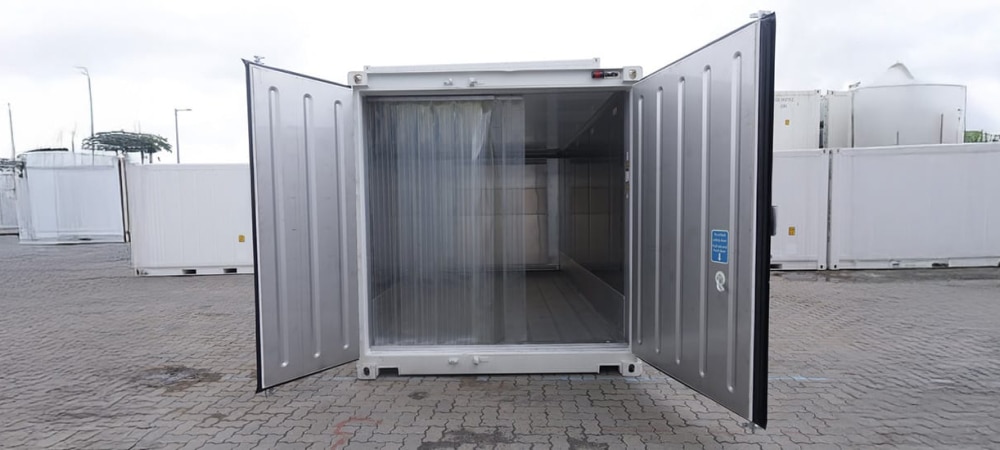
A reefer is a refrigerated shipping container equipped with an integrated cooling system that maintains a controlled internal temperature, typically ranging from -20°F to 85°F, depending on the unit and configuration. Built from durable steel and designed for global transport, reefers are engineered to withstand extreme conditions while keeping contents stable and secure.
Reefer containers are widely used for:
- Food and beverage storage
- Pharmaceuticals and medical supplies
- Floral and agricultural products
- Short-term or overflow cold storage
- Mobile or temporary cold storage needs
What Is Traditional Cold Storage?
Traditional cold storage refers to permanent or semi-permanent structures, such as refrigerated warehouses, walk-in coolers, or freezer buildings. These facilities are typically custom-built or retrofitted structures designed for high-volume, long-term storage with integrated insulation, HVAC, and monitoring systems.
They are commonly used for:
- Large-scale food distribution
- Long-term frozen or refrigerated inventory
- Centralized logistics hubs
- Operations with stable, predictable storage needs
Key Differences Between Reefers and Traditional Cold Storage
1. Upfront Cost and Investment
One of the biggest differences between reefers and permanent cold storage is cost.
- Reefers: Reefer containers require a significantly lower upfront investment. Purchasing a new or used refrigerated container is far more affordable than constructing or leasing a refrigerated building. There are no major construction costs, zoning hurdles, or long-term lease commitments.
- Traditional Cold Storage: Building or leasing cold storage facilities often involves a substantial investment, including construction, permitting, insulation, refrigeration systems, and ongoing facility maintenance. These costs can make sense for large, long-term operations but may not be feasible for smaller or growing businesses.
Best for cost-conscious or scaling businesses: Reefers
2. Flexibility and Scalability
Business needs continuously change, making flexibility a deciding factor in many business decisions.
- Reefers: Reefer containers are highly flexible. They can be delivered to your site, relocated as needed, or added incrementally as your storage requirements grow. This makes them ideal for seasonal demand, temporary projects, or businesses operating across multiple locations.
- Traditional Cold Storage: Permanent facilities offer less flexibility. Once built or leased, they are fixed in size and location. Scaling usually requires additional construction, renegotiated leases, or entirely new facilities.
Best for variable or seasonal needs: Reefers
3. Installation and Deployment Time
Time-to-use is another major aspect for businesses to consider as they assess their storage options.
- Reefers: Reefer containers arrive fully assembled and ready for operation. With proper electrical hookups, they can be operational within hours of delivery. This rapid deployment is especially valuable during peak seasons or unexpected storage needs.
- Traditional Cold Storage: Construction or build-outs can take months, factoring in design, permits, inspections, and equipment installation. Even leasing existing space may involve delays and customization costs.
Best for quick deployment: Reefers
4. Storage Capacity and Throughput
Capacity needs often influence the final decision between reefers and traditional cold storage facilities.
- Reefers: Reefers are available in standard container sizes, such as 20ft and 40ft units, and can be paired with high cube options for additional internal volume. While multiple reefers can be deployed together, they are best suited for small to mid-sized storage volumes or overflow capacity.
- Traditional Cold Storage: Warehouses and cold storage buildings are designed for high-volume inventory, pallet racking systems, and continuous throughput. They excel at large-scale distribution and centralized operations.
Best for large, centralized operations: Traditional cold storage
5. Durability and Security
Both solutions are built to protect valuable inventory, but they achieve this goal in different ways.
- Reefers: Reefer containers are constructed from corrosion-resistant steel and designed to endure harsh marine environments. Lockable double doors, reinforced walls, and optional lock boxes provide strong on-site security, even in remote or temporary locations.
- Traditional Cold Storage: Permanent facilities rely on building security systems, controlled access, and on-site staff. While they are secure, they are often more complex and costly to protect and maintain.
Best for rugged, on-site storage: Reefers
6. Operating and Maintenance Costs
Long-term operating costs matter just as much as upfront investment. Considering how much these storage options will cost over time is an important part of your business’s decision.
- Reefers: Reefer containers require electricity to power their refrigeration units and routine maintenance of the cooling system. However, because they are self-contained and smaller in scale, maintenance is often more manageable and predictable.
- Traditional Cold Storage: Large facilities typically incur higher utility costs, staffing expenses, HVAC maintenance, and building repairs. These costs make sense at scale but can be inefficient for smaller operations.
Best for controlled operating expenses: Reefers
How Shipping Containers Fit into Cold Storage Strategies
At Container Technology, we offer more than just refrigerated containers. Many businesses combine reefers with other container types to create efficient, customized storage solutions.
- Standard shipping containers are ideal for dry goods, packaging materials, or equipment stored alongside refrigerated inventory.
- High cube containers provide extra vertical space for bulky or tall items.
- Open side containers improve access for loading and unloading temperature-sensitive products.
- Double door containers support efficient workflows with pass-through access for staging and sorting.
Because our containers are designed for durability, portability, and long-term use, they integrate seamlessly into both temporary and permanent storage strategies.
Which Option is Right for Your Business?
A reefer container may be the right choice if your business:
- Needs fast, affordable cold storage
- Experiences seasonal or fluctuating demand
- Operates in temporary or remote locations
- Wants scalable storage without long-term commitments
Traditional cold storage may be a better fit if you:
- Require large-scale, centralized refrigeration
- Have consistent, long-term storage needs
- Manage high-volume distribution operations
- Can justify the higher upfront and operating costs
In many cases, businesses use both: traditional cold storage for core operations and reefers for overflow, seasonal spikes, or specialized projects.
Why Choose Container Technology?
Since 1988, Container Technology has operated as a trusted provider of high-quality shipping and storage containers in Atlanta and beyond. We offer a wide selection of new and used containers, including refrigerated units, backed by a knowledgeable team that understands the demands of modern businesses.
With competitive pricing, extensive customization options, and a commitment to transparency, we help businesses find practical, cost-effective storage solutions that grow with them.
Purchase Your Storage Container Now
Ready to explore refrigerated containers or other storage solutions for your business? Container Technology offers a comprehensive inventory of containers designed to meet a wide range of operational needs.
Request a free quote online or call us today to learn more about our reefer containers and shipping container solutions.