
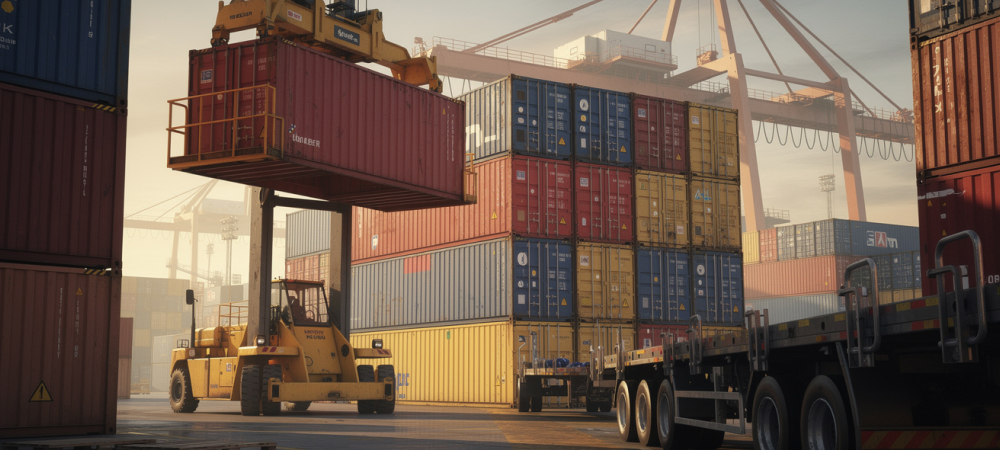
Industrial Equipment Storage Containers in Atlanta: Sizing, Specs, and Site Requirements


Industrial facilities across the Atlanta area rely on heavy machinery, specialized tools, and valuable equipment to keep operations running smoothly. To protect these assets, maintain organization, and ensure they remain accessible; businesses require proper Atlanta storage containers. Industrial equipment storage containers offer a durable, flexible solution that can be placed directly on-site, allowing businesses to keep equipment conveniently located nearby.
However, choosing the right container means considering container sizing, structural specifications, accessibility, and site preparation to ensure the storage solution meets operational demands. This guide explores how industrial storage containers work, what specifications matter most for equipment storage, and what you should know before installing a container on-site.
Sizing and Specs of Industrial Equipment Storage
Industrial equipment varies significantly in size and weight, from compact tools and compressors to large machinery and palletized components. Because of this variation, selecting the right container size and specifications is critical for safe, efficient storage.
Standard Container Sizes
Storage containers are typically available in several standardized lengths, allowing businesses to choose a unit that fits both their storage needs and available space.
- 10ft containers: These are the smallest commonly available units and are best suited for compact equipment, smaller tools, and parts storage. They work well for facilities with limited yard space or frequent equipment turnover.
- 20ft containers: 20ft containers are one of the most popular options for industrial storage. These units provide enough space for mid-sized machinery, tool storage, spare parts, and palletized materials. Many Atlanta industrial facilities use 20’ containers for staging equipment near work zones.
- 40ft containers: These containers offer the largest amount of storage space among standard options. They are ideal for facilities storing large machines, bulky equipment, or large quantities of materials.
High Cube Containers for Taller Equipment
Some industrial equipment requires additional vertical clearance. High cube containers provide an extra foot of height compared to standard containers, allowing taller items to fit comfortably or enabling vertical storage with shelving or racking systems. This extra space is particularly useful for businesses storing tall machinery components, stacked pallets, or large fabrication tools.
Structural Durability
Industrial equipment can place significant stress on storage structures. Fortunately, shipping containers are designed for demanding environments and are constructed from heavy-duty corrugated steel walls that resist impact, corrosion, and weather exposure.
Many containers feature marine-grade plywood flooring designed to withstand heavy cargo loads. These floors distribute weight across the steel cross-members beneath the container, providing strong support for heavy tools and equipment.
Door Configurations for Equipment Access
Loading industrial equipment requires convenient access points. Several door configurations are available depending on operational needs.
- Standard double cargo doors: These are located on one end of most containers and provide wide access for palletized equipment or large machinery.
- Double-door containers: Sometimes called tunnel containers, these feature cargo doors on both ends. This allows equipment to be loaded from one side and unloaded from the other, improving workflow in busy industrial yards.
- Open-side containers: Open-top containers include full-length side doors that provide maximum accessibility. These containers are particularly useful when forklifts need to access equipment quickly or when long machinery must be loaded from the side.
Choosing the right door configuration can significantly improve loading efficiency and daily operations.
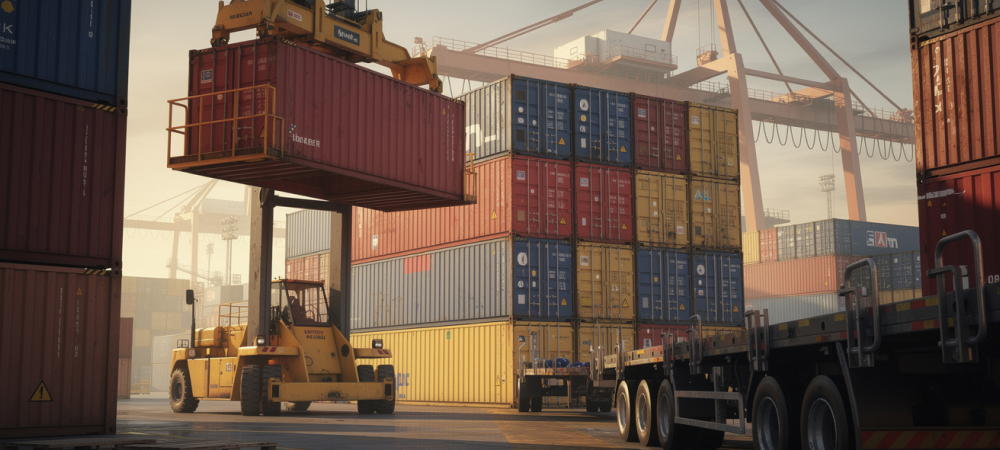
Site Requirements for Equipment Storage Containers
Before installing an industrial storage container, businesses must properly prepare their site. Adequate site preparation protects the structure of the container, ensures safe equipment access, and prevents issues with shifting or drainage.
Level Ground and Stable Foundations
Businesses should place containers on level ground to maintain structural integrity and ensure doors open and close properly. Uneven placement can cause frame stress and make it difficult to operate the container.
Common foundation options include:
- Compacted gravel pads
- Concrete pads
- Concrete blocks or footers
- Railroad ties or landscape timber
For facilities storing extremely heavy equipment, a reinforced concrete pad is often the best option. This provides a stable base that can support the combined weight of the container and its contents.
Space for Delivery and Placement
Industrial businesses must ensure adequate space for container delivery trucks to maneuver. A typical delivery truck requires significant clearance to safely position a container.
For example, placing a 40ft container may require around 100 feet of straight-line space for the delivery vehicle to unload the unit. The site should also have sufficient overhead clearance to avoid obstacles such as power lines or tree branches.
Equipment Access and Workflow
Container placement should align with how staff use equipment within the facility. Positioning the container near loading zones, workshops, or staging areas can improve efficiency and reduce unnecessary equipment transport across the yard. Industrial sites that regularly move equipment with forklifts should also ensure they have adequate space for turning and safe maneuvering.
Drainage and Environmental Considerations
Proper drainage helps prevent water from pooling around the container base. Standing water can accelerate corrosion and create muddy or unsafe working conditions, so draining the area is crucial for safe operations. Elevating containers slightly on blocks or gravel allows water to flow underneath and improves long-term durability.
Atlanta’s humid climate also makes ventilation an important factor for equipment storage. Installing vents or airflow systems can help reduce moisture buildup inside the container.
Anchoring and Stability
Although containers are extremely heavy, anchoring may be recommended for certain installations, especially in open industrial yards with significant wind exposure.
Anchoring methods may include:
- Ground anchors
- Concrete anchors
- Twist-lock connections
- Welding containers to steel base plates
These measures help prevent shifting and maintain stability over time.
Store Your Industrial Equipment with Confidence
With options ranging from compact 10ft units to large 40ft high cube containers, businesses can choose shipping containers for sale in Atlanta that match the size and accessibility needs of their equipment. When combined with proper site preparation, ventilation, and structural reinforcement, these containers can support long-term industrial storage operations.
Container Technology has helped businesses across industries find dependable storage container solutions for more than 30 years. With a wide inventory of standard containers, high cube units, open-side configurations, and custom modifications, our team can help you select a container designed to handle the demands of industrial equipment storage.
If you need the right Atlanta storage containers for sale for secure on-site storage for valuable machinery or tools, Container Technology can help you find the right solution. Call our team today to discuss your storage needs or request a free quote online to get started.