
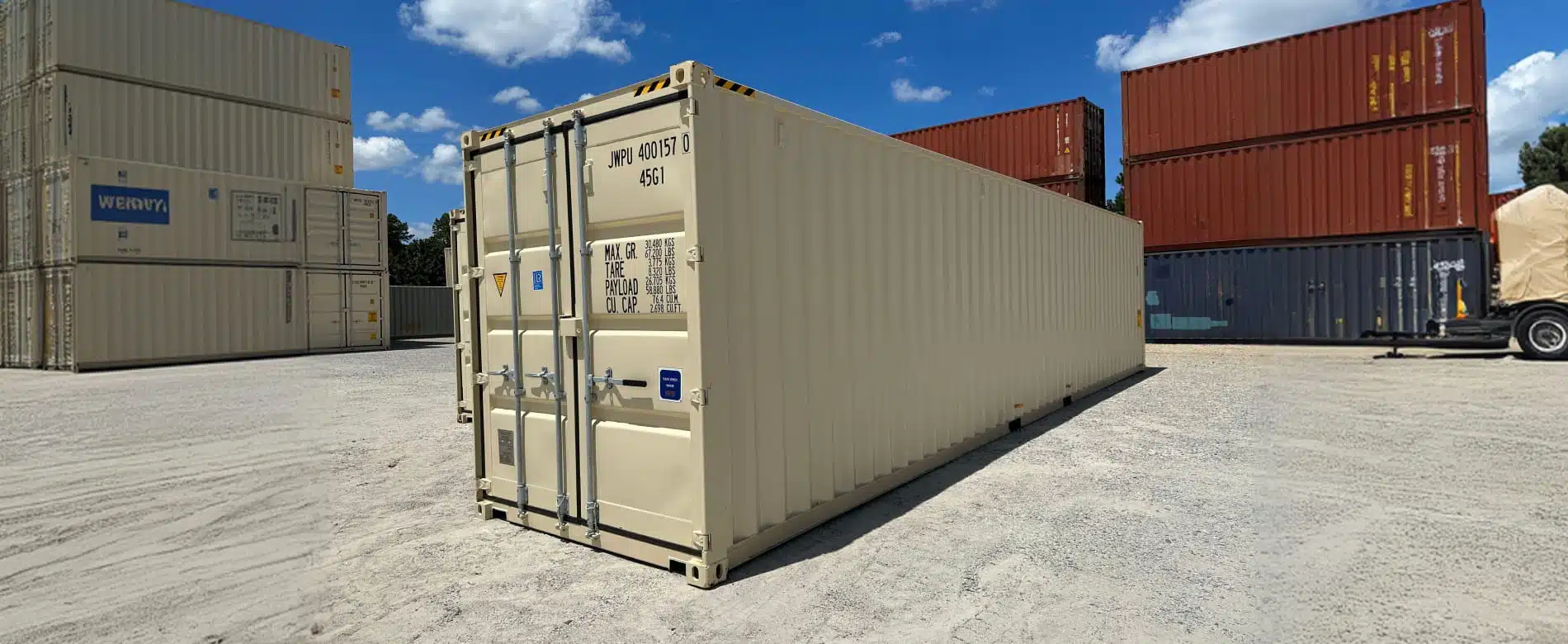
Buying Storage Containers in Sandy Springs: A Complete Guide for Commercial Businesses


Sandy Springs is a dynamic business community in the greater Atlanta metropolitan area. From corporate headquarters and medical offices to retail establishments and logistics operations, the city supports various industries that depend on efficient, reliable infrastructure. As these businesses grow and evolve, one challenge tends to surface consistently: finding enough space to support day-to-day operations without surpassing budgets or disrupting workflows.
For many Sandy Springs businesses, shipping containers have provided a practical answer to that challenge. They offer a combination of durability, flexibility, and cost efficiency that traditional construction can’t match. Before making a purchase, buyers should understand exactly what these units are, how they work, and which options are best suited for different commercial applications.
This guide is designed to walk Sandy Springs business owners and operations managers through everything they need to know about storage containers, from the basics of construction and sizing to customization, site preparation, and long-term maintenance.
Why are Businesses Using Shipping Containers?
A shipping container is a standardized steel storage unit originally created for transporting goods across oceans, railways, and highways. Because they were built to endure the physical demands of international freight, they offer considerable sturdiness. Their heavy-duty corrugated steel walls, marine-grade plywood flooring, and weather-resistant construction make them incredibly durable.
Today, businesses across countless industries use these same containers for purposes expanding far beyond ocean shipping. Storage containers in Sandy Springs, GA, serve as on-site inventory hubs, secure equipment storage, temporary workspaces, mobile offices, and more. Their standardized dimensions make planning and logistics straightforward, and their portability means businesses can relocate them as their needs change.
The containers provide a practical appeal: a unit can be delivered and set up within days and configured to suit a wide range of commercial applications, as they require no major construction.
Understanding Container Sizes and Configurations
One of the first decisions businesses face when exploring shipping containers in Sandy Springs, GA, is selecting the right size. Containers are available in several standardized lengths, each suited to different business needs.
10ft Containers
10ft containers are the smallest standard option, offering a good fit for businesses with limited available space or less extensive storage requirements. They work well in tight corners of a property, near loading areas, or in situations where only a small volume of additional storage is needed.
20ft Containers
20ft containers are the most widely used option across commercial and industrial settings. It balances interior capacity with a manageable footprint, making it a versatile choice for businesses ranging from retail to construction. These units have substantial floor space to meet varying business goals.
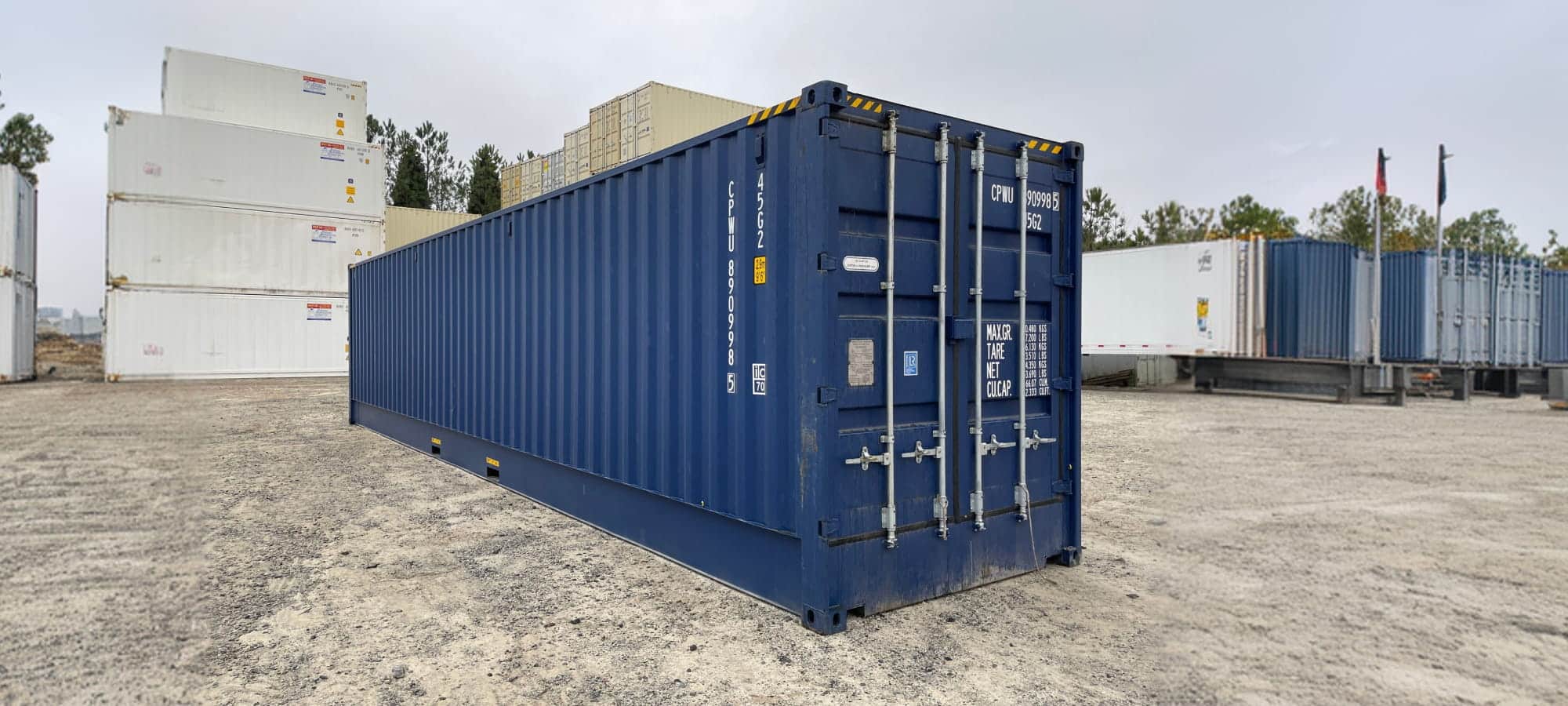
40ft Containers
For businesses managing high volumes of inventory, raw materials, or equipment, a 40ft container offers a significantly larger storage area. These units are commonly used in warehousing, logistics, and manufacturing environments where maximizing available capacity is a priority.
High Cube Containers
High cube containers share the same length options as standard units (20ft and 40ft), but are also available in 45ft and 53ft configurations. However, these units stand a full foot taller at 9’6″ externally. That extra vertical clearance is especially valuable for storing taller equipment, setting up shelving systems, or converting the container into a functional workspace. Industrial and logistics operations frequently choose high cube units for this reason.
Specialty Configurations
Beyond the standard options, businesses can also choose from specialty configurations. Open side containers feature full-length bi-fold doors along one side wall, providing easy forklift access and making them popular for retail displays, pop-up shops, and event-related storage. Double-door containers, sometimes called tunnel containers, have cargo doors on both ends, allowing for efficient two-way loading and unloading.
New vs. Used: Choosing the Right Condition for Your Needs
When exploring Sandy Springs storage containers for sale, businesses will typically encounter two primary condition categories: new containers and used containers. Understanding the differences between them can make a meaningful impact on both the budget and long-term performance.
New or One-Trip Containers
New containers, often referred to as one-trip containers, have made only a single journey from the manufacturer (typically from Asia) to the United States. As a result, they arrive in excellent condition with minimal cosmetic wear. The flooring is clean, the doors seal tightly, and the exterior shows little to no rust or denting.
For businesses where appearance matters, such as customer-facing retail operations or professional service environments, or for those planning extensive interior customization, a one-trip container provides the cleanest starting point. The upfront cost is higher than that of used alternatives, but the longer usable lifespan and reduced need for early maintenance often justify that investment over time.
Used Containers
Used containers are units that have completed multiple cycles of international freight transport. They are inspected before being offered for sale and are structurally sound, but they may show surface rust, dents, or other cosmetic signs of use. For businesses that prioritize function over aesthetics, a used container represents a cost-effective path to reliable storage. This is ideal for construction firms, agricultural operations, and logistics providers.
It is worth noting that surface rust on a steel container is largely cosmetic and does not indicate structural compromise. With basic maintenance, including spot painting and door seal inspections, a well-maintained used container can remain fully functional for many years.
Common Commercial Applications for Sandy Springs Businesses
Sandy Springs storage containers are being used across a remarkably diverse range of industries. Understanding how other businesses apply these units can help managers identify the best approach for their needs.
Construction and Contracting
Construction companies are among the most consistent users of storage containers. On active job sites, these units serve as secure, centralized storage for tools, materials, and equipment. Keeping valuable assets in a lockable steel container reduces the risk of theft and weather damage, while also minimizing the time workers spend retrieving materials from off-site storage. Containers can also be converted into on-site project offices, giving supervisors and project managers a functional workspace directly at the location.
Retail and Inventory Management
Retail businesses regularly face inventory fluctuations, particularly around seasonal peaks and promotional events. A storage container placed near the retail location allows businesses to manage overflow stock without crowding the sales floor or investing in additional warehouse square footage. This approach improves efficiency during high-demand periods without creating permanent overhead costs.
Manufacturing and Industrial Operations
Manufacturers benefit from having organized, accessible storage close to production areas. Containers can be used to house raw materials, finished goods, or components at various stages of the production process. High-cube containers in particular provide the vertical clearance needed to store larger parts or industrial equipment.
Logistics and Distribution
For logistics and distribution companies, timing is critical. Containers support staging areas for outgoing shipments, temporary holding of goods in transit, and organized inventory management by destination or product category. Because container dimensions are standardized, they integrate naturally into existing freight and transportation systems.
Offices and Administrative Storage
Professional businesses often generate large volumes of documents, equipment, and archival materials that require secure, accessible storage. A customized container can serve as a dedicated file storage unit, keeping sensitive records organized and protected without the cost of off-site document storage services.
Food Service and Catering
Restaurants, caterers, and food distributors in Sandy Springs benefit from both standard and refrigerated container options. Refrigerated containers maintain precise temperature ranges for perishable goods, making them a practical alternative to expanding kitchen or cold storage facilities.
Customization Options: Tailoring a Container to Your Operation
One of the most significant advantages of modern storage containers is their adaptability. Businesses across industries regularly modify their units to better align with operational requirements.
Common modifications include:
- Lighting and electrical wiring for workspaces or storage areas
- Ventilation and HVAC systems for temperature-sensitive inventory or climate-controlled environments
- Insulation and interior finishing for units used as offices, break rooms, or any workspace where temperature regulation matters
- Shelving and racking systems to maximize interior organization and storage density
- Roll-up or personnel doors for improved access, particularly in high-traffic storage environments
- Windows and skylights for natural light in workspace conversions
- Security enhancements, including lock boxes, heavy-duty padlocks, and surveillance integration
- Custom exterior paint and branding for containers used in customer-facing applications
These modifications allow businesses to move well beyond basic storage and create fully functional solutions from a standard container chassis.
Site Preparation and Placement Considerations
Before a container is delivered, businesses should evaluate the placement site carefully. Containers do not require a permanent foundation, but they do need to rest on a stable, level surface to ensure structural integrity and door alignment over time.
Common placement surfaces include concrete pads, compacted gravel, asphalt, or railroad ties. Each offers different advantages in terms of drainage, stability, and ease of installation. In general, gravel pads are the most practical option for businesses looking for a balance between cost and performance.
Site accessibility is another important factor. Containers are typically delivered by tilt-bed trucks, which need adequate clearance to position the unit correctly. Businesses should assess overhead obstacles, surface conditions, and available maneuvering space before scheduling delivery.
Depending on how the container will be used and where it will be placed, local zoning regulations may also apply. Businesses are advised to check with the relevant local authorities or zoning offices in Sandy Springs before installation to ensure compliance with any applicable rules or permit requirements.
Durability and Long-Term Maintenance
Storage containers are designed to withstand demanding conditions. Their origins in international shipping mean they were engineered to handle rough seas, extreme temperatures, and continuous handling.
With proper maintenance, a quality container can remain functional for 20 years or more. The most common maintenance tasks are straightforward:
- Inspecting and treating any surface rust prevents it from progressing into structural deterioration.
- Checking and replacing door seals as needed keeps the interior watertight.
- Ensuring adequate drainage around the base of the container protects the flooring over time.
Because these tasks are not time-intensive or expensive, this contributes to containers serving as an efficient long-term storage solution. Compared to permanent structures, which require ongoing roof maintenance, HVAC servicing, and regular interior upkeep, containers offer a simpler and more predictable maintenance commitment.
Financial Considerations: What to Budget For
When evaluating Sandy Springs storage containers, businesses should account for both the base cost of the unit and several additional line items that contribute to the total investment.
The container itself is the primary expense, with pricing influenced by size, condition, and current market factors such as steel prices and supply availability. Beyond that, delivery costs vary depending on the distance from the supplier’s inventory location and the complexity of the placement site. Any modifications required add to the overall investment but can significantly extend the unit’s uses.
Even when all of these factors are considered together, the total cost of a storage container typically remains well below what businesses would spend on permanent construction for equivalent square footage. Containers also retain resale value, providing an exit strategy if storage needs change over time.
Finding the Right Container Partner in Sandy Springs
For businesses throughout Sandy Springs and the surrounding Atlanta metro area, shipping containers represent a practical, cost-effective approach to expanding storage and workspace capacity. Their durability, flexibility, and fast deployment make them a compelling alternative to traditional construction, particularly for businesses navigating rapid growth or fluctuating operational demands.
Container Technology has been supplying high-quality storage containers to Atlanta-area businesses since 1988. With a broad selection of sizes, conditions, and customization options, we work with businesses across industries to find the right solution for their specific needs. Whether you’re looking for a single unit to address an immediate storage challenge or planning a larger-scale containerized solution, our team is ready to help.
Request a free quote online or call us today to get started.
GET A FREE QUOTE NOW CALL TODAY
Frequently Asked Questions
Where can businesses buy storage containers in Sandy Springs, GA?
Container Technology serves Sandy Springs and the greater Atlanta area with a wide selection of new and used containers in multiple sizes and configurations. Businesses can request a free quote online or call the team to discuss available inventory, delivery options, and customization services.
What is the difference between new and used shipping containers?
New containers have completed only a single shipping journey and arrive in excellent cosmetic and structural condition. They are ideal for businesses that prioritize appearance or plan extensive interior modifications. Used containers have completed multiple freight cycles and may show surface wear, but they are structurally sound and represent a more affordable option for businesses focused primarily on function.
Are storage containers a good investment for businesses?
For most commercial applications, yes. Containers require a relatively low upfront investment compared to permanent construction, can be deployed quickly, and retain resale value if business needs change. Their long usable lifespan is often 20 years or more with basic maintenance, and with low ongoing maintenance costs, they are a financially sound choice for a wide range of industries.
What permits are required to place a shipping container in Sandy Springs?
Permit requirements vary depending on the intended use of the container and the specific property where it will be placed. Businesses are advised to consult with local zoning authorities in Sandy Springs before installation to ensure compliance with any applicable regulations.
Can shipping containers in Sandy Springs, GA, be customized for specific business needs?
Yes. Containers can be modified in a variety of ways, including the addition of lighting, electrical wiring, HVAC systems, insulation, shelving, roll-up doors, windows, and security upgrades. These modifications allow businesses to use containers as offices, workshops, climate-controlled storage units, and more.
How long does it take to have a storage container delivered in Sandy Springs?
Delivery timelines depend on container availability, customization requirements, and site conditions. In many cases, standard containers can be delivered and ready for use within a few days. Businesses with specific modification needs may require a longer lead time, which will be determined by the team when you request a quote.