
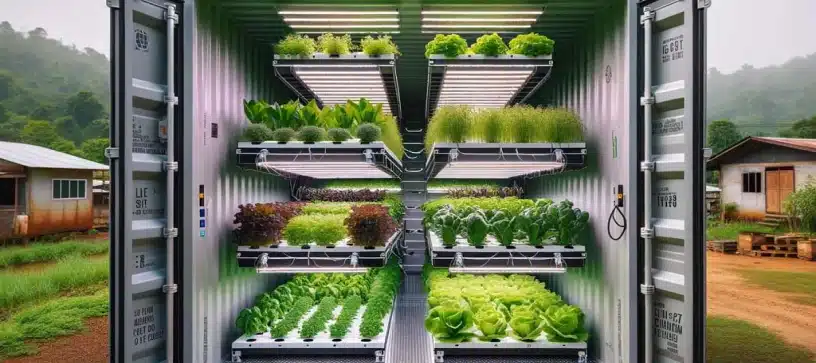
Benefits of Cold Storage for Farming


Agricultural work has many demands, and one of the most prominent ones is storing crops and produce in a way that maintains quality and freshness. However, fulfilling this need requires careful consideration, especially in remote regions.
How can your farm safely store this inventory in a way that prevents spoilage? Portable cold storage containers offer the most effective, convenient solution. Dive into the top 7 benefits of investing in cold storage for farming needs.
1. Maintain Quality of Fresh Produce
Fruits, vegetables, dairy, and other fresh farm products begin to decline in freshness the moment farmers harvest them. Exposure to heat, humidity, and sunlight accelerates this process, which can change the texture and appearance of these items. Cold storage slows down the processes that cause ripening and decay, extending the freshness and shelf life of produce.
Cold storage containers allow farmers to maintain the optimal temperature and humidity levels and preserve the quality of their goods for a longer period of time. This helps them deliver the best products to consumers and allows for more flexible scheduling in terms of delivery, packaging, and sales. As a result, fresh produce reaches markets in peak condition: crisp, colorful, and full of flavor.
2. Confidently Ship Perishable Goods
Transportation can be one of the most challenging points in the food supply chain. Without reliable cooling during storage and transit, the chances of food spoilage increase significantly. Cold storage units, such as refrigerated containers, provide farmers with the confidence to ship perishable items over long distances without decreasing the quality.
These containers are often equipped with temperature monitoring and control systems that keep produce at a steady, ideal temperature throughout the journey. Whether goods are heading to local distributors, supermarkets across the state, or even further away across country lines, cold storage ensures they arrive safely in the best condition possible. For farms looking to expand into new markets or increase their clientele, cold storage is an incredible logistical solution.
3. Prevent Spoilage
One of the biggest challenges in agriculture is spoilage, especially during peak season. Cold storage serves as a buffer, allowing farms to safely hold inventory until it’s time for transportation. By effectively reducing spoilage, your farm will enjoy a more protected investment of time, labor, and money. It also leads to more efficient resource use, as fewer products need to be discarded. A cold storage unit can mean the difference between selling a full harvest and suffering major losses due to rot or mold, which can happen easily without the ideal conditions. For farmers with seasonal crops or unpredictable weather conditions, cold storage adds resilience and flexibility to their operations.
4. Meet Food Safety Requirements
Farms and agricultural businesses must meet strict food safety standards set by government agencies to safely provide food to consumers. Maintaining a clean, temperature-controlled storage environment is critical to complying with these regulations.
Cold storage helps prevent bacterial growth, mold development, and cross-contamination, which can all compromise food safety. Cold storage units maintain consistent temperatures, which reduces the risk of outbreaks of foodborne illnesses linked to improperly handled produce. Consequently, your farm’s reputation will benefit by always delivering top-tier, fresh products.
5. Economical
While cold storage requires a big investment upfront, it often pays for itself with its return on investment through increased product lifespan, reduced waste, and improved efficiency. Farmers can store larger quantities of goods and cut down on emergency shipments due to spoilage.
In many cases, refrigerated containers offer a cost-effective solution compared to building a permanent cold storage facility on your farm or near your business. They can be placed wherever you need them on the farm and easily moved when needs shift. For small to mid-size operations, this flexibility can make cold storage more accessible and scalable.
6. Reliable Temperature Control
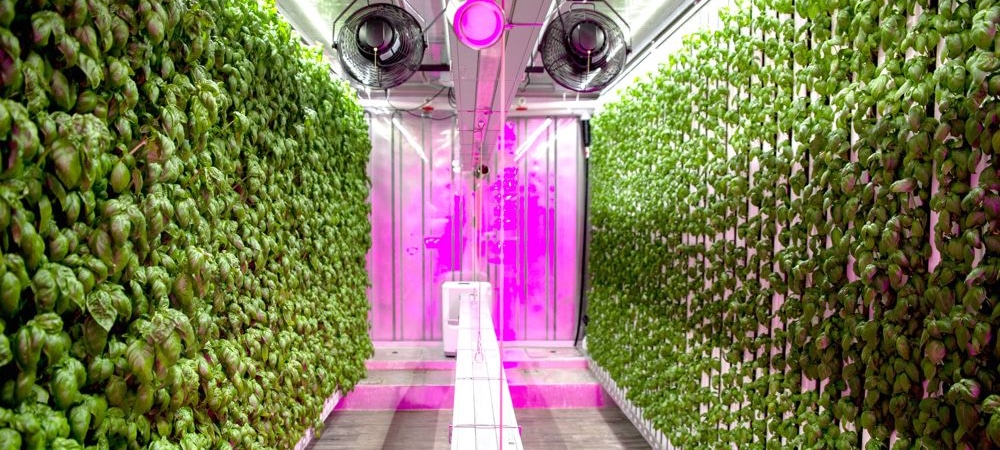
Another key advantage of cold storage containers is their precise temperature and humidity control. Even small fluctuations in temperature can affect the quality of produce, so using a unit that allows for these shifts can be detrimental. However, today’s systems can maintain temperature settings with excellent accuracy. This level of control ensures that every type of produce can be stored in the ideal conditions suited to their unique needs.
7. Less Food Waste
Food waste isn’t just a financial loss, as it also has significant environmental consequences. From water and energy used during production to emissions generated during disposal, waste can have a long-lasting impact. Cold storage helps farms reduce waste by preserving more of their harvest, allowing them to sell a greater portion of what they grow.
Fewer spoiled goods mean fewer trips to the landfill and less methane released into the atmosphere. Plus, farms that prioritize sustainability can use cold storage in combination with other eco-friendly practices, such as solar-powered refrigeration or efficient packaging, to reduce their overall carbon footprint.
Choose Cold Storage Containers for Your Business
Cold storage plays a crucial role in agriculture. From preserving the quality of produce and allowing for secure shipping to reducing spoilage and supporting compliance with food safety regulations, cold storage provides countless benefits to farms of all sizes.
Looking to invest in a cold storage container? Container Technology provides top-rated new and used containers to customers in Atlanta and beyond. Since 1988, Container Technology has delivered high-quality shipping containers to businesses across industries. Request a free quote online or call us today to learn more about our products!