
Buying Shipping Containers in Marietta: A Commercial Buyer’s Guide for Cobb County Businesses


Marietta businesses can’t wait for permits and blueprints. Manufacturing shops need overflow storage this week, not next month. Retailers stocking up for a seasonal rush can’t afford a six-month construction timeline. That level of urgency has pushed Cobb County companies to turn to shipping containers as a faster, more practical path for added space.
However, if you’re new to the idea of buying a container for your business, the prospect of this investment can raise more questions than it answers. What size do you actually need? Is a used container good enough, or should you spend more for a new unit? Does Cobb County require permits? This guide walks through the decisions commercial buyers face when purchasing shipping containers for sale in Marietta, so you can move from needing more space to receiving a ready-to-use unit without guesswork.
Why Marietta Businesses Buy Storage Containers
Cobb County’s economy runs on a mix of manufacturing, logistics, construction, and retail, and each of those industries has its own reasons for extra square footage. A machine shop off Delk Road might need secure tool storage between projects. A landscaping company near Dobbins Air Reserve Base might need a place to keep mowers and equipment safe overnight. A boutique retailer downtown might just need somewhere to stash inventory during the holiday rush without renting permanent storage space.
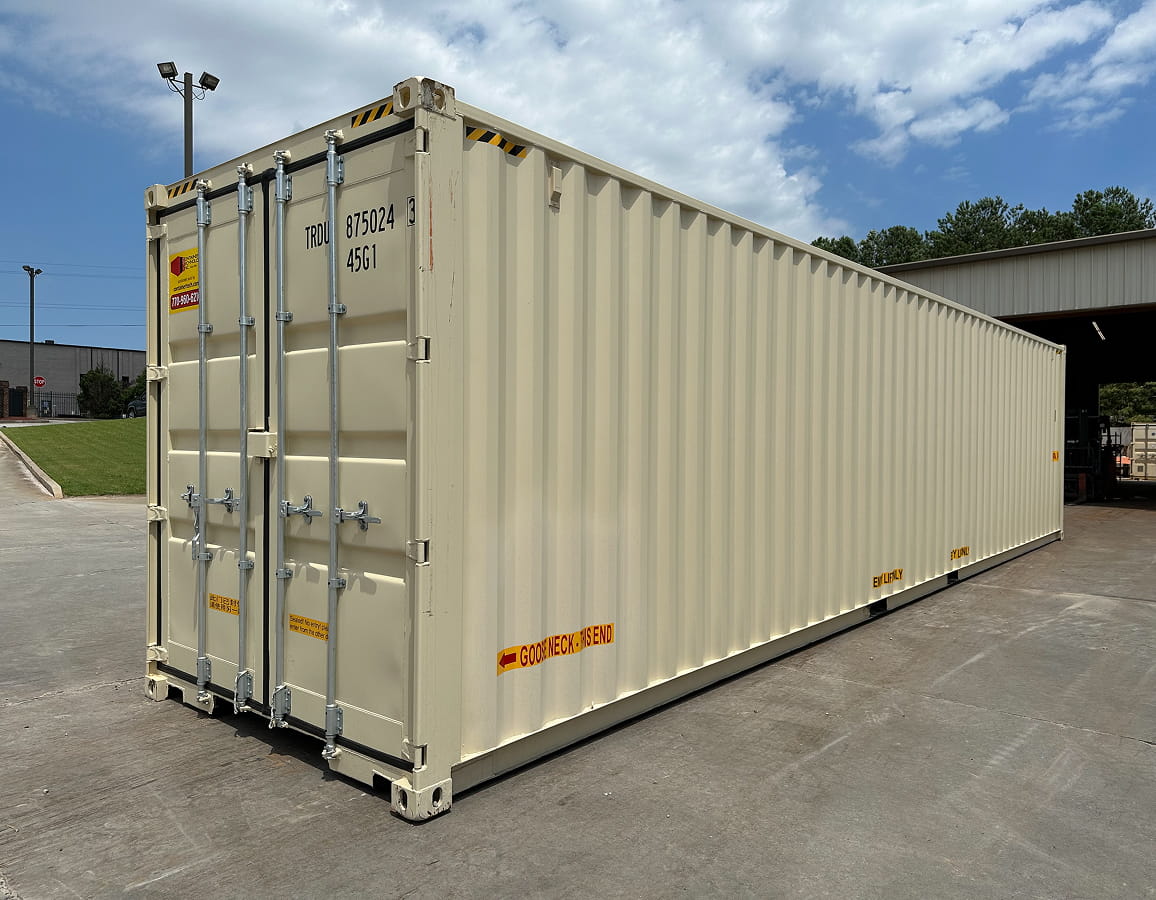
Shipping containers solve all of these problems with the same basic product: a weatherproof steel unit that shows up on a truck and provides a convenient solution immediately. Compare that to permanent warehouse construction, which involves architects, permits, contractors, and months of waiting, and it’s easy to see why container purchases have become common practice rather than a niche solution.
There’s also an important financial element to consider. When a business buys a Marietta storage container instead of leasing warehouse space or building new, it owns that asset. That container can be resold, relocated, or repurposed as the company’s needs change, which gives owners more control over their capital than a long-term lease could.
Step 1: Define Your Container Needs
Before browsing container sizes or pricing, it helps to get specific about your goals with the container. Storage is the most common use, but it certainly isn’t the only one. Some Cobb County businesses buy containers strictly for dry, secure storage of tools, inventory, or seasonal equipment. Others convert them into mobile offices, job site break rooms, or even small retail spaces.
The intended use determines almost every other decision that follows, including size, condition, and whether any modifications are needed. A construction firm that just needs somewhere to lock up tools overnight has very different requirements than a specialty food business that wants a climate-controlled unit for ingredient storage, and storage units are versatile enough to accommodate these requirements and more.
Step 2: Choose the Right Size
Shipping containers come in a variety of standard sizes, and matching the right one to your business’s needs is one of the most important decisions in the buying process.
- 10-foot containers: A compact option well-suited to businesses with tight lots or limited storage needs, such as small retail operations or service businesses that just need a secure spot for equipment.
- 20-foot containers: The most commonly purchased size among Marietta commercial shipping containers, offering a practical middle ground between capacity and footprint.
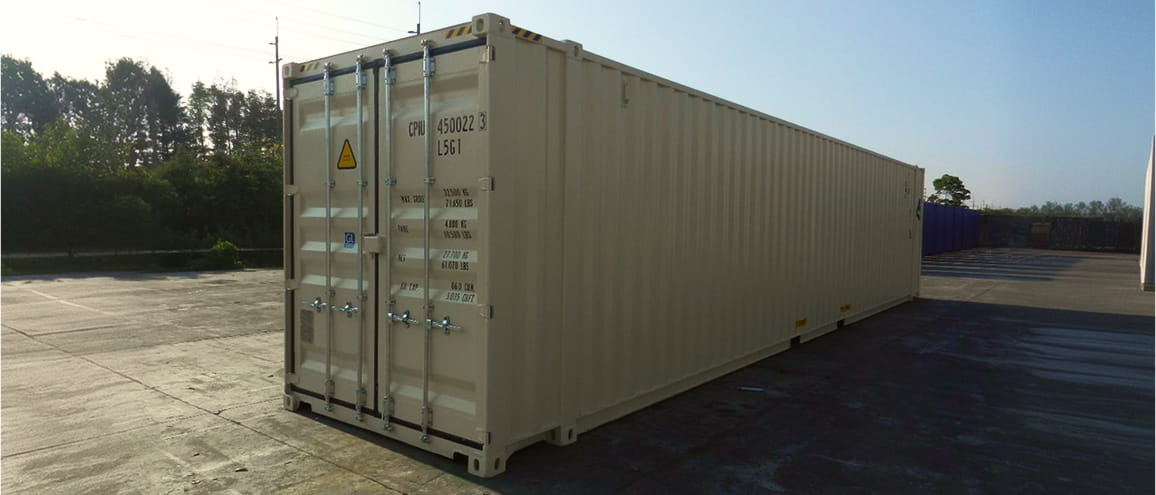
- 40-foot containers: Suited to high-volume storage needs, bulk inventory, or businesses managing multiple projects that require significant square footage.
- High cube containers: Built with an additional foot of vertical clearance, making them useful for businesses that need extra headroom for shelving, taller equipment, or stacked inventory.
Businesses that aren’t sure which size fits best often benefit from walking through their actual inventory or equipment list with a container supplier, rather than guessing based on square footage alone. Consulting a professional can help you to determine the ideal space for your needs.
Step 3: Decide Between New and Used Units
Every commercial buyer eventually faces the question of new vs. used, and there’s no universally applicable answer for every business. The right option depends on a business’s budget, intended use, and how long the container needs to last.
Used containers offer a lower price point and are often more than adequate for basic storage. They may have some cosmetic wear on the inside or outside of the unit, like surface rust or minor dents, but a properly inspected used container remains structurally sound and functional for years. For businesses that mostly need secure, weatherproof storage without a lot of focus on aesthetics, used units are usually the more economical choice.
New, or “one-trip,” containers have made a single journey from the factory and arrive in excellent condition. They come at a higher price tag but offer a longer usable lifespan and a cleaner appearance, which matters for businesses planning to convert a container into a customer-facing space or long-term office. Companies that want to buy a shipping container in Marietta as a permanent fixture, rather than a short-term fix, often find the extra investment worthwhile.
Step 4: Consider Customization Needs
Many Cobb County businesses invest in modifications that turn a basic unit into something built specifically for their operation. Popular options include:
- Lighting and electrical wiring: Useful for containers that employees will access regularly or use as workspaces.
- HVAC systems: Important for climate-sensitive inventory or containers used as office spaces or retail storefronts.
- Insulation: Helps regulate interior temperature, which is especially valuable during Georgia’s humid summers.
- Shelving systems: Maximize usable space within the unit and keep inventory carefully organized.
- Roll-up or entry doors: Improve accessibility for businesses that need to frequent load and unload inventory.
- Additional locking mechanisms: Add a layer of security beyond the standard lockable doors.
Modifications add to the upfront cost, but they can significantly improve a container’s usefulness, particularly for businesses planning to keep the unit in service for years rather than months.
Step 5: Understand Local Delivery and Site Requirements
One of the biggest advantages of buying a container instead of pursuing permanent construction solutions is speed. That said, a few practical details are worth sorting out ahead of time.
Site accessibility is an important consideration. Delivery trucks need enough clearance to maneuver a container into place, so businesses should think about their driveway width, any overhead obstructions, and ground conditions before scheduling delivery. Most containers can sit directly on compacted ground, but many buyers opt for a gravel pad or concrete foundation to improve drainage and long-term stability.
It’s also worth checking local zoning rules. Permit requirements for shipping containers vary depending on how the unit will be used and where it will be placed on the property. Businesses planning to use a container as a permanent storefront or workspace, rather than temporary storage, are more likely to need a permit than those using one for short-term equipment storage. Confirming requirements with Cobb County before delivery can save headaches later.
Step 6: Choose a Supplier You Can Actually Work With
The container itself matters, but so does the company selling it. A good supplier does more than deliver a box and disappear. Look for a few specific things when evaluating options:
- Local Inventory and Fast Turnaround: A supplier with containers already on hand nearby can deliver far faster than one shipping units in from out of state.
- Transparent Pricing: Quotes should clearly account for the container, delivery, and any modifications, without hidden fees showing up later.
- Modification Capabilities: If customization is part of the plan, the supplier should be able to handle it in-house or through a reliable partner, rather than outsourcing to a third party with its own timeline.
- Industry Experience: A company that’s been selling and modifying containers for decades has likely solved problems your business hasn’t encountered yet.
- Responsive Service: Questions come up throughout the buying process, and a supplier that answers quickly makes the whole experience smoother.
Container Technology has served businesses throughout the Atlanta metro area, including Marietta and greater Cobb County, since 1988. We’ve achieved this longevity in a fairly specialized industry by doing right by customers, not just delivering containers.
With containers on hand locally, in-house modification capabilities, and a team with decades of experience solving storage problems for local businesses, Container Technology can help Cobb County companies move from inquiry to installed container without unnecessary delays.
Make Your Marietta Container Purchase
Once you’ve worked through sizing, condition, modifications, and supplier selection, the actual purchase process is straightforward. Most buyers start with a quote request, which allows a supplier to confirm pricing based on the specific container, any customization, and delivery logistics. From there, delivery can be scheduled within a matter of days, especially when the supplier maintains local inventory.
Marietta businesses that want to buy a shipping container and start using it efficiently should have their site prepared and any permit questions resolved before delivery day. By doing that legwork ahead of time, you can get your container ready to go the moment it touches down on your property.
Get The Right Container for Your Business
Container Technology offers a comprehensive selection of new and used containers for Marietta businesses. We work with companies across industries to deliver the right units for their specific goals and needs.
Ready to get started? Request a free quote online or call our team to discuss the right container for your business.
GET A FREE QUOTE NOW CALL US TODAY
Buying Shipping Containers in Marietta | FAQs
Where can businesses buy shipping containers in Marietta?
Businesses in Marietta can purchase shipping containers through established suppliers serving the greater Atlanta area. Working with a company that maintains local inventory, like Container Technology, typically means faster delivery and a team more familiar with Cobb County’s specific zoning and site conditions.
What size shipping container is best for commercial storage?
The right size depends on the business’s specific needs. A 10ft container works well for compact storage, a 20ft container offers a practical balance for moderate needs, and a 40ft or high cube container suits businesses managing larger volumes of inventory or equipment. Reviewing actual storage or workspace needs with a supplier can help narrow down the best fit.
Should I buy a new or used container?
It depends on budget and intended use. Used containers offer a lower cost and are typically sufficient for basic storage, even with some cosmetic wear. New, or one-trip, containers cost more but provide a longer lifespan and cleaner appearance, which matters more for businesses planning to convert a container into an office or customer-facing space.
Are permits required in Cobb County?
Permit requirements vary depending on how a container will be used and where it will sit on a property. Containers used for temporary storage may face fewer requirements than those installed as permanent structures. Checking with local zoning authorities before delivery is the safest way to confirm what applies to your situation.
Can shipping containers be customized for my business?
Yes. Containers can be modified with lighting, HVAC systems, insulation, shelving, additional doors, and enhanced locking mechanisms, among other options. These modifications allow a standard container to function as a climate-controlled storage unit, a mobile office, or a specialized workspace tailored to a specific industry’s needs.