
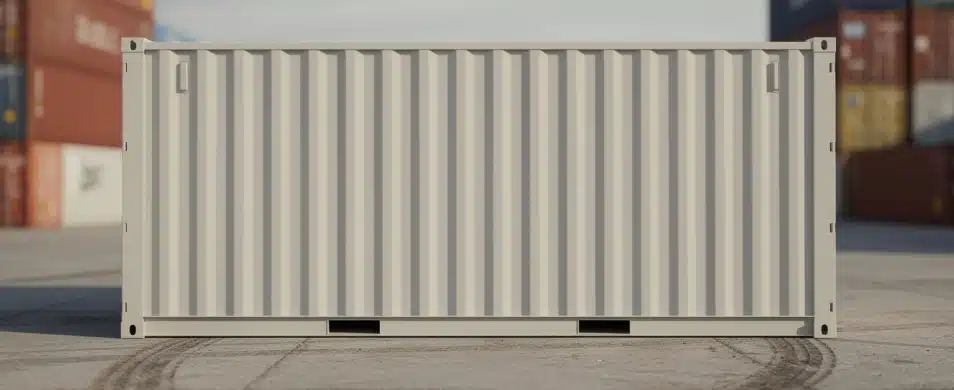
Shipping Container Pricing: How Containers Compare to Permanent Expansions


As businesses across the Atlanta metropolitan area continue to grow, many eventually face the same challenge: expanding storage capacity without disrupting workflows or overextending financial resources. Whether you operate a logistics company near a major highway corridor, manage a construction firm with multiple job sites, or oversee a retail operation with fluctuating inventory levels, the need for additional space tends to arise sooner rather than later.
This means decision-makers often face two primary options as they consider container options. The first is to invest in a permanent building expansion, such as adding square footage to an existing warehouse or constructing a new facility altogether. The second is to explore containerized storage, using Atlanta shipping containers as a flexible, scalable alternative.
While both approaches offer multiple benefits, they differ significantly in terms of pricing, deployment speed, flexibility, and long-term financial impact. This guide takes a deeper look at how shipping container pricing compares to permanent expansions, with a focus on helping Atlanta-area businesses make informed, strategic decisions.
Understanding Shipping Container Pricing
Atlanta shipping containers for sale have become a common storage solution across countless industries due to their durability, availability, and relatively low cost compared to traditional construction. However, pricing is not one-size-fits-all. Several variables influence how much a business can expect to spend.
Container Sizes and Typical Pricing Considerations
Shipping containers come in standardized sizes, which helps businesses simplify planning and logistics. Smaller containers, such as 10ft units, are often used in tight spaces or for businesses with limited storage needs. The mid-sized 20ft containers are among the most popular options because they strike a balance between capacity and footprint. Larger 40ft containers are ideal for high-volume storage, particularly for bulk goods or palletized inventory. High cube containers, which offer additional vertical clearance, are often ideal for businesses seeking extra space for taller items or shelving systems.
Pricing is closely related to these size differences, but condition also plays a major role. Used containers are generally more affordable and are often sufficient for basic storage needs. While they may show signs of wear, such as dents or surface rust, they remain structurally sound. New, or “one-trip,” containers command a higher price point but offer a longer usable lifespan and a cleaner appearance, which may be important for certain commercial uses.
Market Conditions and Price Fluctuations
It’s also important to understand that container pricing is influenced by broader economic factors. Steel prices, global shipping demand, and supply chain disruptions can all affect availability and cost. For example, during periods of high global trade activity, containers may increase in price due to short supply. Conversely, when supply exceeds demand, businesses may find better deals.
For Atlanta businesses, proximity to major transportation hubs, including rail networks and interstate highways, can sometimes help stabilize pricing due to easier access to inventory. However, fluctuations still occur, so factoring them into planning is recommended.
Additional Costs Beyond the Container
While the base cost of a shipping container is relatively straightforward, the total investment often includes several additional elements. Delivery is one of the most immediate considerations, as containers must be transported to the job site and positioned appropriately. Depending on site accessibility, specialized equipment such as tilt-bed trucks or cranes may be required.
Site preparation is another factor that can influence cost. While containers can sometimes be placed directly on compacted ground, many businesses opt for gravel pads or concrete foundations to improve stability and drainage.
Modifications can also add to the total investment. Businesses frequently customize containers with features such as lighting, ventilation, insulation, shelving, or roll-up doors to better align with their operational needs.
Security enhancements, including lockboxes, heavy-duty padlocks, and surveillance integration, are also common in commercial settings. Even when considering all of these elements, the overall cost of containerized storage typically remains significantly lower than that of permanent construction.
The Cost of Permanent Expansions
Permanent expansions represent a more traditional approach to increasing storage capacity, but they come with a substantially higher financial commitment. For many Atlanta businesses, construction costs are the most significant barrier to this option.
Construction Costs in the Atlanta Market
Commercial construction costs in the Atlanta metropolitan area vary widely depending on the scope and complexity of the project. A basic warehouse expansion may fall on the lower end of the price range, while specialized facilities with climate control, advanced infrastructure, or custom layouts can quickly drive costs upward.
Even a relatively modest expansion can require a substantial investment when factoring in materials, labor, and project management. Costs are often calculated on a per-square-foot basis, and when multiplied across even a small footprint, the total can escalate rapidly. For businesses that only need incremental storage increases, this level of investment may not be practical.
Soft Costs and Hidden Expenses
In addition to direct construction costs, permanent expansions involve a range of indirect expenses that are sometimes overlooked during initial planning. Architectural and engineering services are typically required to design the structure and ensure compliance with local codes. Permitting fees and inspections add another layer of cost and can extend project timelines.
Utility connections and infrastructure upgrades may also be necessary, particularly if the expansion includes lighting, HVAC systems, or specialized equipment. Once the project is complete, businesses may see an increase in property taxes due to the structure’s added value.
Over time, ongoing maintenance becomes a factor as well. Roof repairs, HVAC servicing, and general building upkeep all contribute to the total cost of ownership, making permanent expansions a long-term financial commitment rather than a one-time expense.
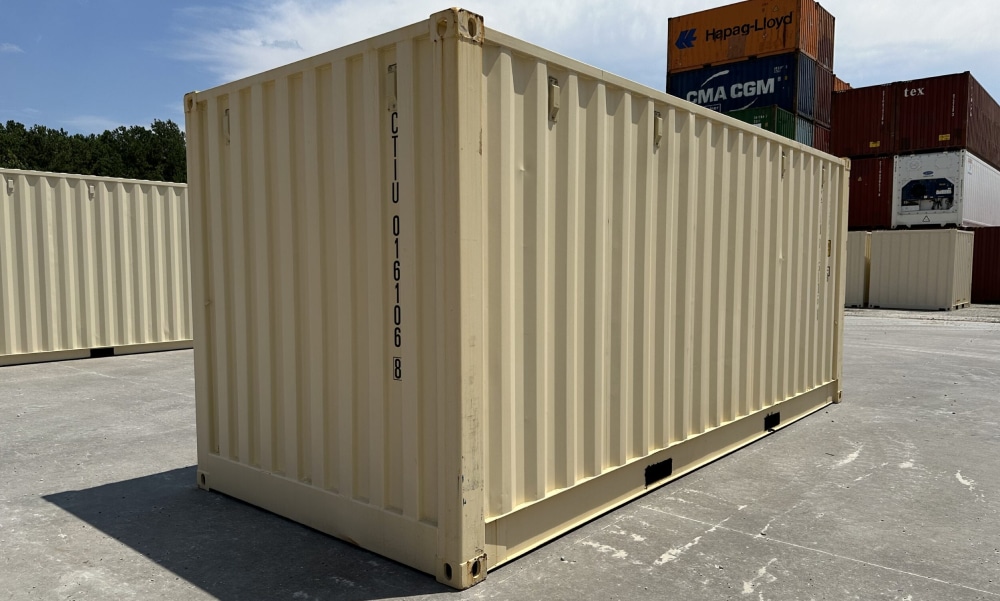
Speed and Deployment: A Critical Difference
For many businesses, the timeline associated with expanding storage capacity is just as important as the cost. Delays can disrupt operations, limit growth opportunities, and create logistical challenges.
Rapid Deployment of Containers
Shipping containers offer a clear advantage when it comes to speed. In many cases, a container can be delivered and ready for use within a matter of days. Once it arrives on-site, minimal setup is required, especially if the container doesn’t need major modifications.
This rapid deployment makes containers particularly useful for businesses dealing with sudden increases in demand. For example, a distribution center experiencing seasonal spikes in inventory can quickly add storage capacity without waiting months for construction to be completed.
Extended Timelines for Construction
By contrast, permanent expansions require a much longer timeline. The process typically begins with design and planning, followed by permitting and approvals. Once construction begins, the timeline can extend for several months depending on the complexity of the project and external factors such as weather or labor availability.
For businesses that need immediate solutions, this delay can create operational bottlenecks. In some cases, companies may even need to invest in temporary storage solutions while waiting for construction to be completed, adding to overall costs.
Flexibility and Scalability in Real-World Operations
One of the most important distinctions between shipping containers and permanent expansions is the level of flexibility each option provides.
Adaptability of Containerized Storage
Storage containers Atlanta businesses use most are inherently modular, which allows businesses to scale their storage capacity up or down as needed. If inventory levels increase, additional containers can be added to the site. If demand decreases, excess containers can be removed or repurposed.
This flexibility is particularly valuable in industries where demand fluctuates, such as retail, logistics, and construction. Containers can also be relocated within a property or transported to a different site entirely, providing a level of adaptability that permanent structures simply cannot match.
Limitations of Permanent Structures
Permanent expansions, by their nature, are fixed. Once the building is constructed, its size and layout are set. Expanding further requires additional construction, which involves repeating the same costly and time-consuming process.
While permanent structures offer stability and integration with existing operations, they lack the ability to adapt quickly to changing business needs. For companies operating in dynamic markets, this limitation can be a significant drawback.
Space Efficiency and Site Planning
Efficient use of available space is another key consideration when comparing these two options.
Strategic Placement of Containers
Businesses can place shipping containers in a variety of locations across a property, including areas that might otherwise go unused. For example, businesses can position containers along perimeter fencing, near loading docks, or in open yard spaces. This allows for better utilization of the entire site without requiring major layout changes.
In some cases, businesses can also stack containers to maximize vertical space, although this requires proper planning and safety considerations. This approach can significantly increase storage capacity without expanding the building footprint.
Constraints of Building Expansions
Expanding a permanent structure often requires reconfiguring the site, which can disrupt existing workflows. Parking areas, traffic patterns, and outdoor workspaces may need adjustments to accommodate the new construction.
For properties with limited available land, expansion may not be feasible without sacrificing other critical functions. This makes containers an attractive alternative for businesses that need to maximize space without compromising operations.
Durability and Long-Term Performance
Both Atlanta shipping containers for sale and permanent structures are designed for long-term use, but they differ in terms of maintenance and durability.
Shipping containers are constructed from heavy-duty steel and built to withstand the rigors of international transport. As a result, they are highly resistant to weather, pests, and physical wear. With proper maintenance, containers can remain functional for decades, making them a reliable storage solution.
Permanent buildings also offer long-term durability, but they require ongoing maintenance to remain in good condition. Over time, components such as roofing, electrical systems, and HVAC units will need to be repaired or replaced. These maintenance requirements contribute to the overall cost of ownership and should be factored into long-term planning.
Financial Flexibility and Risk Considerations
From a financial perspective, shipping containers provide a level of flexibility that most businesses cannot achieve with permanent construction.
Because the upfront investment is lower, businesses can preserve capital for other priorities such as equipment, staffing, or expansion into new markets. This reduced financial risk is particularly important for smaller companies or businesses experiencing fluctuations in demand.
Containers also offer an exit strategy. If storage needs change, businesses can sell or repurpose their units, allowing them to recover some of their investment. Permanent structures, on the other hand, are not easily liquidated and may become underutilized if business needs shift.
Use Case Scenarios: Choosing the Right Approach
In practice, the choice between shipping containers and permanent expansions often depends on the specific needs of the business.
Shipping containers are well-suited for situations where flexibility, speed, and cost control are priorities. This includes seasonal storage, construction projects, and businesses experiencing rapid or unpredictable growth.
Permanent expansions are more appropriate for organizations with stable, long-term storage needs and the financial resources to support a significant capital investment. They are also better suited for operations that require fully integrated indoor environments or specialized infrastructure.
Secure Atlanta Storage Containers for the Right Price
For businesses evaluating how to expand their storage capacity, the decision between Atlanta shipping containers for sale and permanent expansions ultimately comes down to balancing cost, flexibility, and long-term objectives. Shipping containers provide a practical, scalable solution that businesses can implement quickly and adjust as needs evolve.
Container Technology has supported businesses throughout the Atlanta area for more than 30 years, offering durable storage container solutions designed to meet real-world operational demands. Whether you need to address immediate storage challenges or plan for future growth, understanding the cost differences between containers and permanent expansions is an essential step in making the right decision. Request a free quote online or call us today to find the right price for your storage needs.
Frequently Asked Questions
How much does a shipping container cost in the Atlanta area?
The cost of a shipping container in Atlanta depends on factors such as size, condition, and market demand. Used containers are generally more affordable, while new containers offer longer lifespans and fewer cosmetic imperfections. Additional costs, including delivery and modifications, should also be considered when budgeting.
Are shipping containers more cost-effective than permanent expansions?
In most cases, shipping containers are significantly more cost-effective, particularly in the short to medium term. They require a lower upfront investment and can be deployed quickly, making them an attractive option for businesses that need immediate storage solutions.
How long can a shipping container be used for storage?
Shipping containers for sale Atlanta businesses use are designed for durability and can last 15 to 25 years or more when used for storage. Regular maintenance, such as addressing rust and ensuring proper sealing, can help extend their lifespan.
Can shipping containers be customized for business use?
Yes, containers can be modified in a variety of ways to meet specific needs. Common modifications include adding shelving, lighting, ventilation, insulation, and specialized access points. These enhancements allow businesses to tailor containers to their operations.
What permits are required for using shipping containers in Atlanta?
Permit requirements vary depending on local zoning laws and property use. Businesses should consult with local authorities to determine any restrictions or requirements related to placement, safety, and compliance.
When is a permanent expansion the better choice?
A permanent expansion may be the better option when a business has predictable, long-term growth and requires a fully integrated facility. It is also more suitable for operations that depend on climate-controlled environments or specialized infrastructure.