Can Refrigerated Containers Be Used for Chemical Storage?


Many businesses across various industries rely on refrigerated containers, also commonly referred to as reefers, for precise temperature control. Food distributors, pharmaceutical companies, florists, and manufacturers rely on these units to safeguard their temperature-sensitive goods from spoilage or degradation in quality. Because reefers can maintain stable internal environments, some businesses ask whether they can also use them for storing chemicals.
The short answer is no, refrigerated containers are generally not suitable or recommended for chemical storage. While these units are excellent for cold-chain applications, they are not designed to safely handle the risks associated with most chemicals. This article explains why reefers aren’t ideal for chemical storage and provides a practical guide to container safety so businesses can make informed decisions and avoid costly or dangerous mistakes.
Understanding What Refrigerated Containers Are Designed to Do
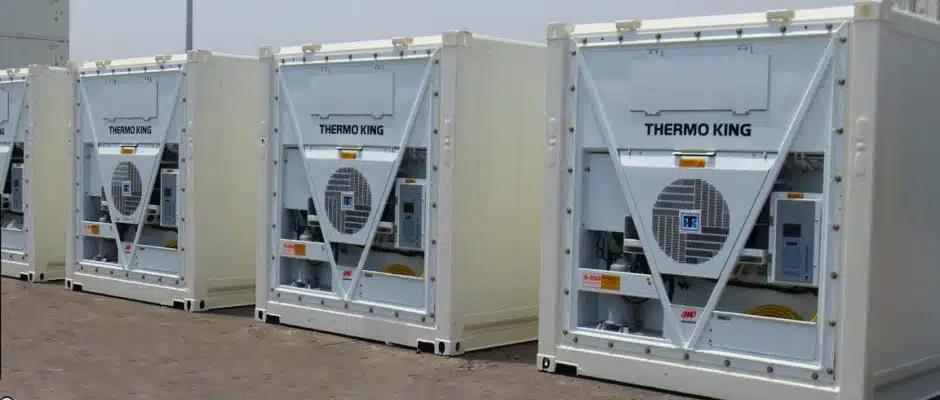
A refrigerated container is a temperature-controlled shipping container built to maintain internal temperatures typically ranging from -20°F to 85°F, depending on the model. These units are built with insulated walls, durable steel or aluminum exteriors, and integrated cooling systems powered by 230V or 460V 3-phase electricity.
Standard features typically include:
- High-grade insulation to maintain consistent temperatures
- Aluminum T-rail flooring designed for airflow and palletized goods
- Sealed interiors to protect food-grade or pharmaceutical products
- Controlled humidity and airflow for perishable items
- These features make reefers ideal for food, beverages, pharmaceuticals, floral products, and specialty materials that require a clean environment and consistent temperature control. However, these same features introduce serious limitations when chemicals enter the equation.
Why Refrigerated Containers are Not Ideal for Chemical Storage
1. Ventilation Limitations
Most chemicals, particularly those used in industrial or agricultural settings, emit fumes, vapors, or gases. Refrigerated containers are designed to be tightly sealed to maintain temperature efficiency, not to vent hazardous air.
Without specialized ventilation systems:
- Toxic fumes can accumulate rapidly
- Workers may be exposed during entry or unloading
- Pressure buildup can damage container components
Reefer units are not engineered to safely exhaust chemical vapors, which creates a significant health and safety risk.
2. Risk of Corrosion and Material Degradation
Reefer interiors are typically lined with aluminum and stainless-steel components designed for use in food-safe or pharmaceutical environments. Many chemicals, however, are corrosive and can damage:
- Aluminum flooring and rails
- Insulation materials inside walls
- Electrical wiring and cooling system components
- Over time, chemical exposure can compromise the structural integrity of the container, leading to equipment failure or contamination.
3. Electrical and Fire Hazards
Refrigerated containers rely on powerful electrical systems to regulate internal temperatures. It’s best not to store flammable or reactive chemicals in close proximity to:
- Compressors
- Electrical panels
- Temperature control systems
- When kept nearby, this creates an elevated risk of fire and explosion. Reefers are not classified as hazardous-location containers and are not explosion-proof.
4. Regulatory and Compliance Issues
Chemical storage is heavily regulated by agencies such as OSHA, the EPA, and local fire marshals. Many chemicals require:
- Secondary containment
- Spill control systems
- Hazard-specific ventilation
- Fire suppression equipment
Standard refrigerated containers do not meet these regulatory requirements. Using one improperly can result in fines, shutdowns, or liability in the event of an incident.
Are There Any Chemicals That Can Be Stored in a Reefer?
In very limited cases, certain non-hazardous, non-corrosive, sealed chemical products may be stored temporarily in a refrigerated container. Examples might include:
- Fully sealed laboratory reagents
- Temperature-sensitive compounds packaged in approved containers
- Consumer-grade products with no off-gassing risk
Even in these situations, storage should only occur after consulting safety data sheets (SDS), regulatory guidelines, and container specialists. The responsibility for compliance and safety remains with the end user.
A Practical Guide to Container Safety for Businesses
If your business is evaluating storage options, especially when chemicals are involved, the following safety principles are essential.
1. Review Safety Data Sheets (SDS)
Every chemical comes with an SDS outlining:
- Required storage temperatures
- Ventilation needs
- Compatibility with metals
- Fire and spill risks
If the SDS references hazardous storage conditions, a standard refrigerated container is almost certainly unsuitable.
2. Understand Container Design Limits
Refrigerated containers are built for:
- Clean, dry, palletized goods
- Temperature stability
- Frequent human access
They are not designed for the containment of hazardous materials, chemical spill management, or fume extraction.
3. Avoid Mixing Storage Purposes
Never use a reefer intended for food, pharmaceuticals, or consumer goods to store chemicals, even temporarily. This creates cross-contamination risks and can render the unit permanently unusable for its intended purpose.
4. Consider Purpose-Built Alternatives
Businesses that need chemical storage should explore:
- Hazardous material storage buildings
- Flammable storage lockers
- Chemically rated ISO containers
- Facilities with secondary containment and ventilation
These solutions are specifically engineered to meet safety and compliance standards.
5. Train Staff on Storage Risks
Improper storage often results from a lack of awareness.
Employees should understand:
- Why certain containers are unsuitable
- The risks of fumes, spills, and reactions
- Emergency procedures if exposure occurs
Clear internal policies can prevent accidents before they happen.
The Role of Refrigerated Containers When Used Correctly
Refrigerated containers remain one of the most reliable solutions for temperature-sensitive storage when used as intended. These containers are available in standard sizes, such as 20-foot and 40-foot units, and provide consistent cooling, durable construction, and flexibility for industries that rely on cold-chain integrity.
When applied to their proper use cases, such as food storage, pharmaceutical holding, or manufacturing inputs, reefers perform exceptionally well. Problems arise when users try to apply them in ways they were never designed to handle.
Making the Safe and Informed Choice
While refrigerated containers excel at maintaining controlled temperatures, they are not a safe or compliant solution for chemical storage in most cases. The risks, ranging from fume buildup and corrosion to fire hazards and regulatory violations, far outweigh any perceived convenience.
For businesses evaluating storage options, the safest approach is to match the container to the material, not the other way around. Understanding design limitations and prioritizing safety protects employees, assets, and operations in the long term.
At Container Technology, we help businesses select refrigerated containers for appropriate, temperature-sensitive applications and provide guidance on safe container use. If you have questions about whether a reefer is right for your storage needs or need help identifying the correct solution for your operation, our team is available to help you make an informed decision. Request a free quote online or call us today to learn more!