Farming Uses for Reefer Containers


In the agriculture industry, success depends on careful timing, precise handling, and proper storage. However, this industry handles temperature-sensitive products, meaning your business needs to maintain consistent conditions to preserve your stock’s freshness, quality, and value. When farms grow larger and diversify their products, many of them turn to reefer containers as a flexible solution for on-site cold storage.
These units were originally designed for global shipping and industrial cold chain logistics, but they can easily adapt to agricultural environments. Their durability, reliable temperature control, and scalability make them ideal for a wide range of farming applications, from small family operations to large commercial farms. With a reefer container, your farming business can unlock heightened solutions, handling your products even more effectively.
What is a Reefer Container?
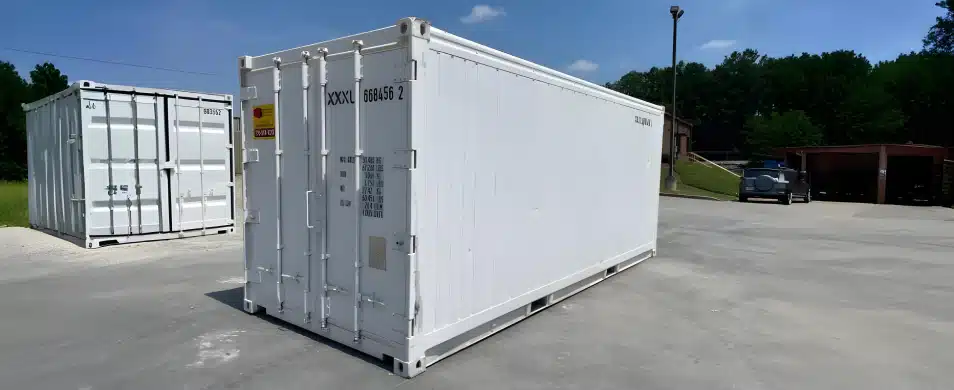
A reefer container is a refrigerated container equipped with an integrated cooling and heating system, as well as insulation. These units are designed to maintain stable internal temperatures regardless of outside weather conditions. Most modern reefers can typically operate within a temperature range below -20°F to 85°F, allowing farmers to store products of all types that require refrigeration or freezing.
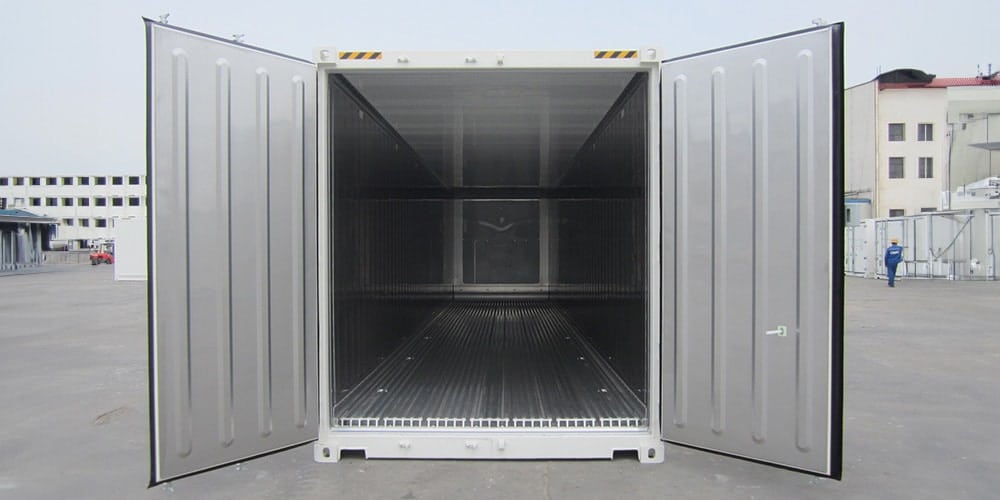
These units are constructed with steel or aluminum exteriors and high-grade insulation, enhancing their ability to withstand even the most extreme environments. Inside these containers, their aluminum flooring promotes proper airflow and supports palletized storage, making it easy for businesses to efficiently load and unload with forklifts or pallet jacks. Most units require power supplied through 230V or 460V 3-phase electrical systems, which provide consistent operation for these cooling systems.
Why Reefer Containers are Valuable on Farms
Farms deal with seasonal peaks, unpredictable weather, and fluctuating market demand that impact their operations. However, traditional cold storage solutions, such as permanent refrigerated buildings, can be expensive and time-consuming to construct. Reefer containers provide a simplified alternative that can be placed directly on the farm and used as needed.
Some of the most prominent advantages for agricultural use include:
- On-demand temperature control without permanent construction
- Portability, allowing farmers to relocate containers if farm layouts change
- Durability in outdoor and rural environments
- Scalability, making it easy to add storage during peak harvest seasons
Common Farming Uses for Reefer Containers
1. Fresh Produce Storage
Most commonly, farms use reefer containers to store freshly harvested fruits and vegetables. This produce, such as leafy greens, berries, tomatoes, and root vegetables, requires controlled temperatures to reduce spoilage, which is where reefer containers become a must.
Reefers allow farmers to store their produce at chilled temperatures immediately after harvest, which can significantly extend their shelf life. This is especially valuable for farms selling to wholesalers, grocery stores, or farmers’ markets, as product quality directly impacts pricing in these cases.
Different crops require different temperature ranges, which is another way reefer containers shine for fresh produce storage. These refrigerated units provide the flexibility to adjust their settings based on what farmers are storing. For farms growing a range of crops, using separate units can maintain optimal conditions for each product type.
2. Meat and Dairy Storage
For farms that handle meat and dairy, reefers offer an indispensable use, providing a quick way to safely and reliably store meat and dairy products. Meat processing requires strict temperature control to meet food safety standards, and these refrigerated containers provide a secure, enclosed environment for chilling or freezing meat after processing.
Similarly, dairy farms can use reefers to store milk, cheese, or other dairy products before transport. With cold storage located conveniently on-site, farms can reduce their reliance on immediate pickups and gain more flexibility in scheduling processing and deliveries.
3. Seed and Plant Storage
Certain seeds, bulbs, and young plants need to be stored in controlled temperatures to maintain viability. Farmers use reefer containers as a reliable climate-controlled storage option for their seed stock, protecting it from temperature swings, humidity, and pests.
Nurseries and specialty crop growers also use reefers to store seedlings or dormant plants before planting. By maintaining consistent conditions, you can help ensure healthy growth once you move the crops to the field or greenhouse.
4. Post-Harvest Curing and Conditioning
Some crops require specific post-harvest handling processes to maintain the best quality possible. For example, onions, potatoes, and sweet potatoes often require curing at controlled temperatures and humidity levels before long-term storage or sale.
Farms can adjust their reefer containers to support these conditioning processes, allowing them to gain more control over post-harvest quality. This added control can reduce losses and improve consistency across the farm’s various batches.
5. Temporary and Seasonal Cold Storage
During harvest seasons, farms often experience short-term spikes in storage needs. Reefer containers are ideal for seasonal use, as they provide additional cold storage capacity during peak harvest times without needing to invest in permanent infrastructure.
Once the season ends, farms can power down, relocate, or repurpose their containers, adjusting their container configuration to suit their current needs. This flexibility is particularly valuable for farms that rotate crops or adjust production levels year to year.
Reefer Sizes Commonly Used on Farms
Choosing the right reefer size depends on farm size, product volume, and available space. Understanding the best container for your needs can help you find your farm’s ideal container.
With an internal volume of approximately 1,010 cubic feet, 20-foot reefers are well-suited for small to mid-sized farms. With a compact footprint, these units are easier to position near packing sheds or barns, and they provide ample space for palletized produce, meat, or dairy products.
Larger farming operations often need the extended space of 40-foot reefers, which offer about 2,380 cubic feet of internal storage. These units are ideal for bulk storage during harvest season or for farms handling large volumes for distribution. The reinforced floors in these units allow for frequent forklift use, making them practical for high-throughput operations.
Factors Farmers Should Consider
Before adding a reefer container to your farm, several practical considerations should be evaluated:
- Storage capacity: Estimate peak harvest volumes to avoid under- or over-sizing
- Temperature needs: Different crops and products require specific ranges
- Power availability: Confirm access to 230V or 460V 3-phase power
- Site access: Ensure adequate space for delivery, placement, and daily use
- Duration of use: Decide whether the unit will support seasonal or year-round operations
Reefer Containers as a Long-Term Agricultural Tool
As farming continues to evolve, the ability to control storage conditions on-site is becoming increasingly important. Reefer containers offer farmers a reliable way to protect their products, reduce waste, and respond to their current demands without the investment and timelines of major construction projects.
Their versatility supports a wide range of agricultural uses, helping farms of all types to handle their refrigerated storage needs. With proper sizing and setup, a reefer container can become a valuable part of a farm’s infrastructure for years to come.
Choose a Reefer Container for Your Farm
For farmers seeking dependable, on-site temperature-controlled storage, reefer containers provide a practical, flexible solution. Container Technology offers a comprehensive range of reefer sizes and types designed to support varied agricultural operations. Ready to level up your farm storage with a reefer container? Request a free quote online or call us today to learn more!