Refrigerated Container Maintenance Guide


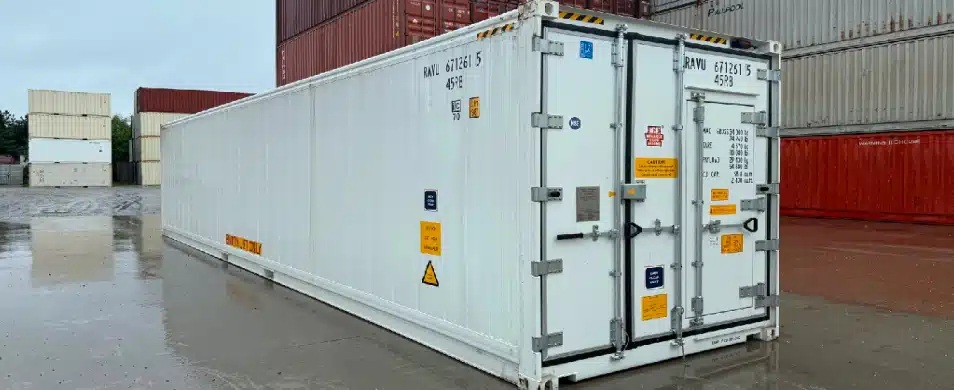
Refrigerated shipping containers, often referred to as reefers, provide dependable temperature control for a wide variety of commercial applications. They allow businesses to store perishable products safely, maintain regulatory compliance, and support efficient operations where refrigerated storage is needed. Whether these units are used for food and beverage storage, pharmaceuticals, floral arrangements, agriculture, or seasonal demand, refrigerated containers must perform reliably to maintain quality.
However, achieving long-lasting performance from a refrigerated unit requires proactive maintenance. Unlike standard storage containers, reefers use electromechanical cooling systems that require care to maintain efficacy over time. This guide outlines best practices for maintaining refrigerated shipping containers to protect your inventory, maximize your container’s lifespan, and prevent expensive downtime.
13 Tips to Maintain Your Refrigerated Containers
You need to maintain your refrigerated storage container to ensure its proper function—but where do you start with this process? We’ve outlined the best ways to keep your container as good as new in this guide.
1. Understand the Key Components of a Reefer
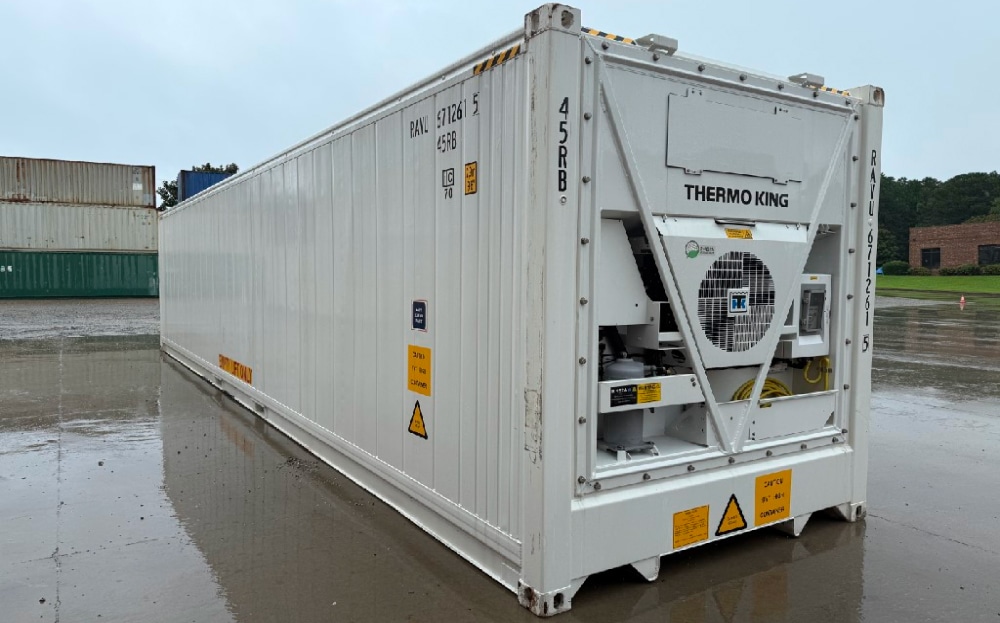
Refrigerated containers operate as insulated cold rooms equipped with a self-contained refrigeration system. Understanding the essential elements of the container helps users to target their maintenance efforts:
- Refrigeration unit including compressor, condenser, evaporator, and fans
- Insulated walls and stainless steel interior lining to retain cold temperatures
- Aluminum T-rail floors for airflow and durability
- Sensors and controls for temperature regulation and alarms
- Door gaskets and locking systems to maintain an airtight seal
- Drain lines for moisture removal
The mechanical system and physical structures both need routine care to maintain airtight efficiency and optimal thermal performance.
2. Place the Container on Level, Stable Ground
Before considering long-term maintenance, proper placement is an essential aspect to consider. A refrigerated container should always sit on level, well-drained ground. This positioning prevents:
- Stress on structural framing
- Door alignment issues that compromise sealing
- Standing water buildup under or around the unit
Containers placed incorrectly require more frequent service and face a heightened risk of corrosion and access issues.
3. Perform Regular Inspections
If your business depends on continuous cold storage, quarterly inspections are a necessity to proactively address issues and maintain proper function. Many businesses even perform monthly walk-throughs. Inspections should include:
- Checking for dents or structural damage
- Examining the interior walls and floors for cracks or separation
- Reviewing door seals for tears, brittleness, or gaps
- Ensuring hinges open smoothly and lock mechanisms remain secure
- Confirming vents and drain lines are unobstructed
You should document all inspection findings to engage in predictive maintenance and reduce the likelihood of system interruptions.
4. Maintain Proper Cleaning Practices
Sanitation plays a major role in cold chain quality. A comprehensive cleaning routine should include:
- Washing interior and exterior surfaces with non-corrosive cleaning agents
- Removing debris from the floor channels to support airflow
- Cleaning drain lines and drip trays to prevent mold and clogs
- Avoiding pressure-washing refrigeration components, which can damage electronics
A clean interior prevents contamination, preserves equipment condition, and reduces maintenance strain on the cooling system.
5. Protect Against Corrosion and Rust
Like any other container, reefers require exterior rust prevention. Corrosion often begins where paint has chipped or where condensation collects, so these imperfections should be carefully checked. To prevent issues due to rust or corrosion, maintenance personnel should:
- Inspect roof and exterior seams for pooling water
- Remove rust using a wire brush
- Apply primer and marine-grade exterior paint as needed
Ignoring small exterior rust spots can lead to insulation compromise and eventual structural failure, so be thorough while you check for damage.
6. Inspect and Lubricate Door Hardware
The door seal is the most critical point of temperature loss, so it should be checked frequently to ensure proper insulation. Reefer maintenance must emphasize door performance by:
- Cleaning rubber gaskets routinely
- Applying food-grade lubricant to hinges and cam bars
- Verifying the door closes tightly across all contact points
Damaged seals allow warm air and condensation inside the container, forcing the system to work harder and increasing energy usage.
7. Monitor Refrigeration System Operation
The refrigeration unit is the heart of a reefer container, so maintaining its efficiency prevents major repairs. Key tasks include:
- Checking the compressor, fans, and motors for abnormal noise or vibration
- Inspecting wiring and electrical connections for wear or corrosion
- Monitoring condenser coil cleanliness to maintain airflow
- Checking refrigerant levels through approved technicians only
Cooling systems operate under high pressure and require professional servicing for mechanical repairs or refrigerant handling.
8. Test Sensors, Controls, and Alarms
Refrigerated containers rely on precision monitoring to maintain safety for temperature-sensitive goods. Businesses should:
- Test temperature probes for accuracy
- Verify that alarm functions trigger and reset properly
- Update control system software when recommended by the manufacturer
Failing sensors can lead to spoilage long before visible signs of malfunction occur.
9. Ensure Proper Ventilation and Airflow
Airflow blockages reduce system efficiency and prevent temperature uniformity. The following steps maintain optimal circulation in your unit:
- Ensure return and supply air paths are unobstructed
- Avoid placing goods against walls or directly on the floor
- Confirm evaporator fans are running and blades are clean
Even distribution reduces load stress on the cooling system and maintains product integrity throughout the container.
10. Manage Defrosting and Moisture Control
Most reefers include automatic defrost cycles. Routine checks ensure the cycle performs as expected:
- Inspect evaporator coils for ice buildup
- Confirm heating elements function during defrost
- Drain excess moisture through clean drainage systems
Too much ice indicates poor sealing or airflow issues that require immediate attention.
11. Maintain Electrical Safety
Refrigerated containers typically require either 230V three-phase or 460V three-phase power. Safe operation depends on:
- Using appropriately rated cables and connections
- Inspecting power cords for wear or fraying
- Avoiding overloaded circuits
- Keeping electrical components dry and protected from the weather
Faulty electrical supply remains one of the primary causes of reefer shutdowns.
12. Schedule Preventive Professional Service
Although trained personnel can perform basic routine tasks, refrigeration systems require specialized expertise. An annual service appointment should include:
- Compressor performance testing
- Refrigerant leak inspection
- Thorough electrical diagnostics
- Calibration of control systems
This professional support protects against failures that may result in significant product loss.
13. Record and Track All Maintenance
An organized log of cleaning, inspection findings, repairs, and temperature data supports:
- Regulatory compliance for the food and medical industries
- Warranty protection for certain components
- Predictive maintenance scheduling
Records create operational accountability and help diagnose emerging problems quickly.
Keeping Your Refrigerated Container in Reliable Condition
Refrigerated containers are a valuable resource for any business that depends on precise, reliable cold storage. Through regular inspections, proactive cleaning, proper placement, and protective care of both structural and mechanical components, owners can maximize performance and avoid disruptions. A well-maintained reefer container protects product quality and supports efficient operations across every season.
Container Technology offers a wide selection of refrigerated shipping containers designed for dependable cooling performance in commercial environments. Our experienced team can support you every step of the way to ensure businesses enjoy dependable cold storage. Call us today to learn more or request a free quote online for your refrigerated storage solution.