How to Inspect Refrigerated Containers


Maintaining a refrigerated storage container is essential for any business that relies on temperature-controlled storage. From food and beverage companies to pharmaceutical suppliers, these containers protect valuable inventory and ensure compliance with safety standards. However, even the most durable refrigerated units require regular inspections to remain reliable.
Knowing how to properly inspect your refrigerated container helps prevent expensive issues, protect your products, and extend the life of your investment. In this article, we’ll walk you through how to perform a thorough inspection inside and out of your unit so your refrigerated container continues running efficiently for years to come.
Why Routine Inspections Matter
A refrigerated container combines robust insulation with powerful electrical cooling systems. These components work together to maintain a stable internal temperature, even in extreme outdoor conditions.
Over time, however, wear and tear, electrical issues, or minor structural damage can compromise the container’s performance. Without proper inspection, these small problems can quickly become major oversights that threaten your inventory.
Routine inspections help:
- Ensure consistent temperatures: Detecting and addressing cooling inefficiencies in a timely manner keeps your goods within the required temperature range.
- Reduce energy costs: Well-maintained units run more efficiently, consuming less power.
- Extend lifespan: Regular maintenance prevents parts from prematurely deteriorating.
- Protect your investment: By avoiding spoilage or system failure, inspections save your business time, money, and stress.
Step 1: Inspect the Exterior
Start your inspection by surveying the outside of the refrigerated container. Look for any visible signs of damage that could affect insulation, structural integrity, or the container’s ability to stay airtight.
Check for Rust and Corrosion
Surface rust can occur on the steel exterior, especially in wet, humid environments. While small spots can often be treated, deeper corrosion may compromise the container’s frame or structure. If corrosion is present near seams or doors, it’s essential to address it promptly to prevent leaks and structural weakening.
Inspect the Doors and Seals
The doors are crucial to maintaining a proper seal. Examine the door gaskets for cracks, tears, or hardening, as damaged seals can allow warm air or moisture to enter. Open and close the doors to confirm they operate smoothly and ensure the locking mechanisms latch securely.
Evaluate the Structure
Check for dents, warping, or punctures in the walls, roof, and floor. Even small structural deteriorations or abnormalities can impact the container’s insulation and make temperature control more difficult. Additionally, make sure the container is sitting level and stable, especially if it’s been relocated recently.
Step 2: Inspect the Interior
Once the exterior is clear, move inside the container to check the condition of the internal space.
Inspect the Insulation and Lining
The interior walls, floor, and ceiling are lined with insulation panels that help maintain temperature consistency. Look for cracks, gaps, or moisture accumulation on these surfaces. Damaged insulation can reduce cooling efficiency and cause uneven temperatures inside the container.
Check for Moisture or Condensation
Standing water, excessive condensation, or frost buildup could indicate humidity or drainage issues. Over time, this moisture can lead to mold, corrosion, or electrical damage. Make sure the drainage system is clear and functioning properly so condensation can exit the container safely.
Examine the Interior Lighting and Safety Features
If your container includes lighting or safety alarms, verify they’re operational. Replace any burnt-out bulbs and test safety features like door release mechanisms to verify that workers can safely exit the container if needed.
Step 3: Inspect the Refrigeration Unit
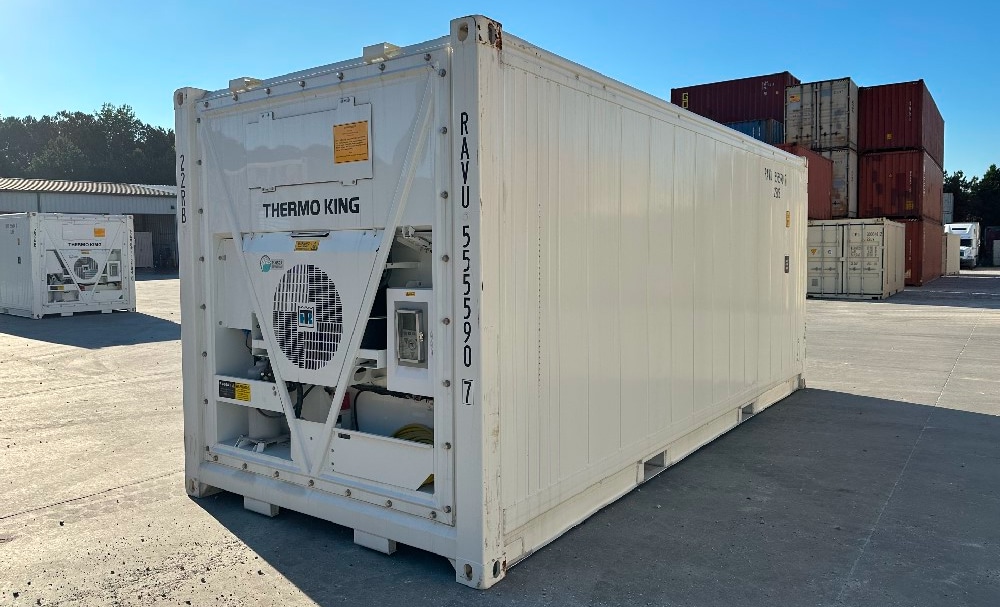
The refrigeration unit is the heart of your refrigerated container. This system includes compressors, evaporators, condensers, and electrical components that regulate temperature.
Visual Check of Components
Inspect all visible parts of the unit for dirt buildup, oil residue, or loose fittings. Oil stains could indicate refrigerant leaks, which reduce cooling efficiency and may require professional servicing.
Check Electrical Connections
Check that all power cables, plugs, and connections are intact with no fraying or exposed wires. For all-electric units, secure, undamaged wiring ensures consistent operation and safety.
Clean Condenser and Evaporator Coils
Dust and debris can accumulate on coils, restricting airflow and forcing the system to work harder. Regularly clean these coils with a soft brush or compressed air to maintain optimal efficiency.
Verify Fans and Motors
Listen for unusual noises when the unit runs. Rattling, grinding, or irregular cycling may indicate issues with fans or motor bearings. Smooth, consistent operation is a good sign that the system is functioning correctly.
Step 4: Test the Temperature Control System
Once the physical inspection is complete, it’s time to verify that the refrigeration system performs as expected.
Power On the Unit
Connect the container to its power source and turn on the refrigeration system. Observe startup behavior, and note any delays, error codes, or alarms for further review.
Set and Monitor Temperature
Program the desired temperature based on your storage needs and monitor how quickly the container reaches and maintains it. Record temperature readings at regular intervals to confirm that the container operates consistently.
Check Thermostats and Sensors
Faulty temperature sensors can lead to inaccurate readings or uneven cooling. Compare readings between the internal thermostat and an independent thermometer to ensure accuracy.
Inspect the Airflow
Proper airflow ensures even temperature distribution throughout the container. Verify that vents and fans are unobstructed and circulating air evenly across all areas of the units.
Maintain a Logbook
Document every inspection, cleaning, or repair performed on the container. This record helps identify recurring issues while also demonstrating compliance with industry regulations. This is especially important for food or pharmaceutical applications.
Schedule Professional Servicing
While routine visual inspections can be handled in-house, comprehensive servicing by qualified technicians should be performed periodically. Professional inspections often include pressure testing, refrigerant checks, and calibration to ensure the unit operates within manufacturer specifications.
Step 6: Prepare for Seasonal and Environmental Changes
External weather conditions can impact how your refrigerated container performs. Hot, humid summers or freezing winters may strain cooling systems or cause condensation problems.
Adjust Settings as Needed
Monitor and adjust temperature and humidity controls based on seasonal conditions, keeping your goods protected.
Check Ventilation and Drainage Before Each Season
Ensure that vents and drains remain unobstructed and free of debris, especially before periods of high humidity or heavy rainfall.
Partner with a Reliable Container Provider
Regular inspections and proactive maintenance can significantly extend the life of your refrigerated container, but having a dependable supplier makes all the difference. At Container Technology, we provide high-quality refrigerated containers, walk-in coolers, freezers, and insulated units for businesses across a wide range of industries.
Whether you need a single reefer container for temporary use or a fleet for ongoing operations, we’ll help you find the perfect solution and offer guidance on how to keep it in top condition.
Keep Your Reefer Running at Its Best
A well-maintained refrigerated container protects your products and your business. By performing regular inspections and addressing issues early, you can ensure your reefer container continues to operate safely, efficiently, and reliably for years to come.
Looking for reliable refrigerated storage solutions? Call Container Technology today to learn more about our refrigerated container options or request a free quote online now!