
Guide to Insulated Storage Containers


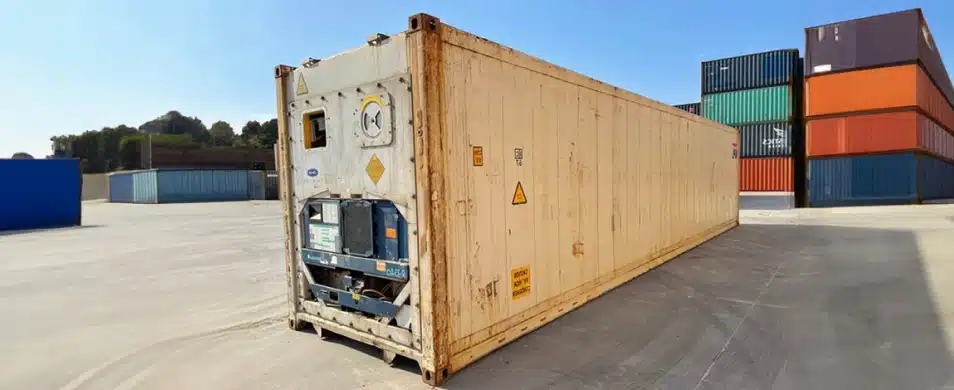
When businesses need reliable, temperature-stable storage, insulated storage containers often provide the ideal solution. At Container Technology, our high-quality insulated containers are deemed non-working refrigerated containers. These units were originally built for international shipping and temperature-controlled cargo but have since been decommissioned from active service. While they no longer have functioning refrigeration units, their insulated walls, ceiling, and flooring still provide valuable protection against major temperature fluctuations.
In this guide, we’ll cover everything businesses need to know about insulated storage containers, including what they are, the ways companies use them, the benefits they provide, and how they can support businesses’ operations in various ways.
What are Insulated Storage Containers?
Insulated storage containers are essentially retired refrigerated shipping containers, typically between 10 and 15+ years old. Rather than wasting these units that still can provide valuable storage space, these containers are repurposed for other applications that utilize their insulation capabilities.
The key difference between a refrigerated (“reefer”) container and an insulated one is functionality:
- Refrigerated containers come with working cooling units that regulate interior temperatures.
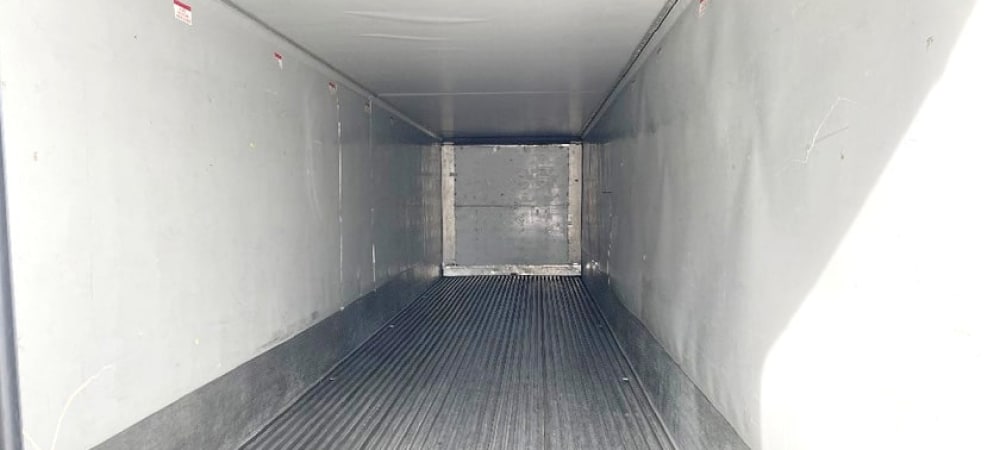
- Insulated containers are non-working reefers. While the refrigeration system is no longer functional, the insulated interior panels remain intact to provide less fluctuation.
At Container Technology, we offer 20ft insulated containers and 40ft insulated storage containers. These models provide substantial storage space while helping maintain a more stable internal environment compared to standard steel containers.
Why Businesses Use Insulated Containers
Many companies across industries choose insulated containers because of their unique characteristics. They strike a balance between affordability and functionality, making them useful for businesses that don’t require active cooling but do want protection from external weather conditions.
Common uses include:
- Food and beverage storage: Ideal for products sensitive to temperature swings, like bottled beverages, canned goods, or dry ingredients.
- Pharmaceutical and medical supplies: Helpful for protecting non-refrigerated items that can degrade or lose efficacy with heat exposure.
- Furniture and household goods: Prevents warping, cracking, or damage caused by extreme heat or cold.
- Electronics and equipment: Provides a buffer against condensation and rapid environmental changes that can result in damage.
- Seasonal inventory: Protects goods during off-peak times when demand fluctuates.
Advantages of Insulated Storage Containers
Insulated containers offer several advantages that make them stand out from standard shipping containers.
1. Temperature Stability
While they don’t actively cool, insulated containers slow the transfer of heat. That means the inside environment remains more stable compared to traditional steel containers, which can quickly become extremely hot in summer or cold in winter.
2. Moisture Protection
The insulation also reduces condensation inside the unit. This is especially important for businesses storing goods sensitive to humidity or moisture damage.
3. Cost-Effective Alternative to Refrigeration
Insulated containers are more affordable than working reefers but still provide many of the same protective benefits. For businesses that don’t require active refrigeration, this balance makes them an excellent investment.
4. Durability and Security
Originally designed for global shipping, insulated containers are built with heavy-duty steel exteriors. They remain highly durable, weather-resistant, and secure, even after retiring from ocean service.
5. Large Storage Capacity
At 40ft long, insulated containers provide ample space for large or bulk storage needs. They’re especially useful for businesses managing seasonal inventory, construction projects, or long-term storage.
Industries That Benefit from Insulated Containers
Several industries find insulated containers especially useful, including:
- Hospitality and catering: Extra storage for dry goods, tableware, and event supplies.
- Construction: Safe storage for tools, equipment, and temperature-sensitive materials.
- Agriculture: Storage for feed, seeds, and supplies that need protection from heat and humidity.
- Retail and wholesale: Seasonal merchandise and overflow stock storage.
- Healthcare: Non-refrigerated medical supply storage in controlled conditions.
Insulated Containers vs. Standard Containers
Businesses often wonder why they should choose an insulated unit over a standard shipping container. These key features set them apart from their non-insulated counterparts:
- Temperature control: Insulated containers significantly slow down heat transfer, while standard containers heat up and cool down quickly.
- Condensation: Insulated units resist condensation better, protecting sensitive goods.
- Cost: Standard containers are typically less expensive, but insulated containers provide added value for businesses needing temperature stability.
For businesses that don’t require insulation, a standard container may suffice. But for those storing temperature- or moisture-sensitive items, insulated containers are the smarter choice.
Things to Consider Before Choosing an Insulated Container
Before investing in an insulated storage container, businesses should think about the following:
- Type of goods being stored: Are they sensitive to temperature swings or moisture?
- Duration of storage: Will you need short-term or long-term storage?
- Space availability: Insulated containers are available in 20ft and 40ft models through Container Technology, so you’ll need sufficient space.
- Accessibility: Consider how frequently you’ll need to load and unload items.
By weighing these factors, you can decide whether an insulated storage container is the right fit for your needs.
Why Choose Container Technology?
At Container Technology, we specialize in providing high-quality Atlanta shipping containers to businesses in the metro area and across the country. Our insulated containers in Atlanta, which are “non-working” refrigerated units, offer a cost-effective, durable, and practical storage solution for a wide range of industries.
We carry high-quality 20ft insulated containers and 40ft insulated containers, ensuring ample space and long-term reliability. Every unit has been carefully inspected and maintained to ensure it continues to perform as dependable storage.
Whether you’re protecting inventory, storing equipment, or safeguarding supplies from the elements, our insulated containers are designed to help your business operate smoothly.
Choose Insulated Storage Containers Now
Insulated storage containers offer businesses the perfect middle ground between standard containers and actively refrigerated units. They provide stable temperatures, moisture resistance, and durable protection, all at a cost-effective price point. For companies storing temperature-sensitive goods without the need for active cooling, insulated containers are an excellent choice.
If you’re considering Atlanta insulated containers for your business, Container Technology is here to help. With decades of experience and a wide selection of container solutions, we can match you with the right unit for your storage needs. Request a free quote online or call us today to learn more about our top-rated solutions.